Chennai, Feb 2
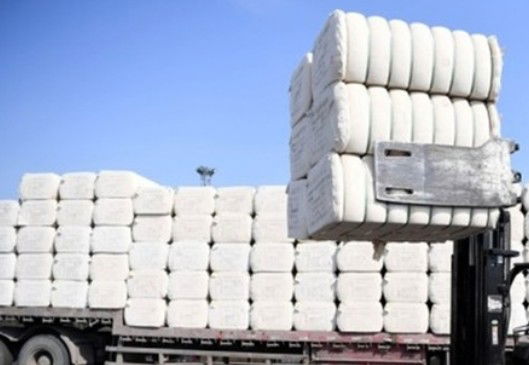
The Tamil Nadu textile industry, a cornerstone of India’s textile and apparel exports, has broadly welcomed the Union Budget’s thrust on infrastructure, skilling and export facilitation, but has cautioned that retaining the 11 per cent import duty on cotton could dilute the impact of these reforms.
Industry leaders from Tamil Nadu and other major manufacturing hubs say timely access to quality cotton at globally competitive prices is crucial to safeguarding export commitments and sustaining employment across the value chain.
Stakeholders have appreciated initiatives such as the National Fibre Scheme, the establishment of mega textile parks and the rollout of Samarth 2.0 to modernise and upgrade the textile skilling ecosystem. However, they stressed that structural reforms in manufacturing and skilling must be backed by rationalisation of raw material costs if the sector is to remain competitive in global markets.
The Southern India Mills Association chairman, Durai Palanisamy, said removal of the 11 per cent import duty on all varieties of cotton was essential to address shortages of quality cotton and meet export orders.
He pointed out that domestic cotton prices have already risen by around five per cent compared to international prices and are nearly 15 per cent higher than Brazilian cotton.
“This price gap is likely to widen in the coming months and would seriously affect the financial viability of the entire textile value chain,” he said.
Durai highlighted that the textile and apparel sector provides direct employment to nearly 35 million people and accounts for about 75 per cent of India’s total textile and clothing exports, with Tamil Nadu playing a leading role in yarn, fabric and garment production.
He also noted that cotton farmers are adequately protected through the Minimum Support Price, which is nearly 20 per cent higher than international prices. “Imports have never hurt farmers. India can export 30 to 100 lakh bales during the season and import cotton during the off-season, ensuring a balanced, win-win strategy for all stakeholders,” he added.
Echoing these concerns, M Jayapal, chairman of the Recycled Textile Federation, said the continuation of the import duty has restricted access to raw materials at competitive global prices.
He also expressed disappointment over the decision to retain GST on job-work units at 18 per cent instead of reducing it to five per cent, calling it a setback to the entire textile value chain.
Meanwhile, exporters welcomed the budget’s emphasis on liquidity and trade facilitation. A. Sakthivel, chairman of the Apparel Export Promotion Council, said customs-related reforms and simplified documentation would reduce transaction costs and improve operational efficiency. He added that aligning these measures with a review of cotton duties would be key to strengthening Tamil Nadu’s and India’s position as reliable global textile sourcing hubs.