








Business
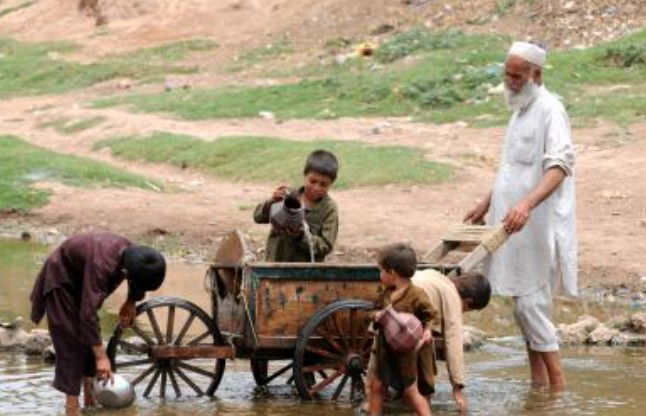
Pakistan's poverty crisis deepens as institutions continue to fail: Report

4 hours ago
Grand Opening: RASNNA Brings Authentic Sweets and Chaat to Edison’s Oak Tree Road EDISON, NJ

7 hours ago
ZEE5 Brings a Power-Packed October Watchlist to Audiences Across the U.S. and Canada

10 hours ago
Brazil, US move closer to trade deal

10 hours ago
US sanctions Pakistani entities over alleged Iran links

10 hours ago
Odisha Observes World Heart Day in Bhubaneswar with Major Community CPR and Heart-Health Initiatives

14 hours ago
Nicole Kidman says she ‘loved working’ with Zoe Saldana, celebrates ‘Lioness’ team

14 hours ago
Alia Bhatt excited to celebrate global changemakers finding ‘new ways forward’ at Earthshot Prize

14 hours ago
Soha Ali Khan says she’s ‘still connected’ to daughter Inaaya nine years after cutting the umbilical cord

14 hours ago
Anne Hathaway says during her pregnancy she could ‘smell time’

14 hours ago
Britney Spears reveals why she felt ‘set up’ during outing

14 hours ago
Hrithik Roshan & Saba Azad celebrate 5 years of togetherness, Sussanne Khan says 'Soooo sweeet'

14 hours ago
Sonakshi Sinha teases ‘love & obsession’ in ‘Tu Hai Meri Kiran’ first look with husband Zaheer Iqbal

14 hours ago
Bhagyashrii Borse tells Mohanlal: To be your co-actor feels like a blessing!