








AMERICA
US lawmakers push to expand Indo-Pacific space defence pact with Japan, South Korea
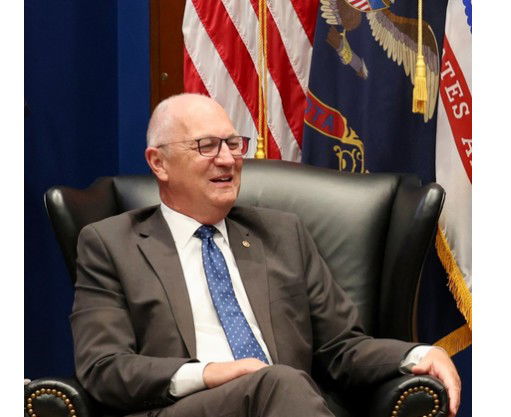

3 hours ago
Left flank of Democratic Party has setback with defeat of radical in Wisconsin primary

5 hours ago
Veteran White House reporter breaks 26-year silence on Clinton’s 2000 Pakistan decoy plane

5 hours ago
Houthis launch fresh ballistic missile attack on Yemen's Red Sea port city

7 hours ago
CPI-M MP John Brittas files privilege motion against BJP's Sushmita Dev over 'lungi wala' remark; Oppn extends support

7 hours ago
The Indian Panorama's "America@ 250" Special Edition launched by GOPIO

10 hours ago
K'taka bans sale & distribution of tobacco, nicotine products for 1 year; urges public to build addiction-free state

10 hours ago
Vijay Sethupathi's film with Balaji Tharaneetharan titled 'Baththa'; film to hit screens on October 1

10 hours ago
Lisa Ray reveals the impact of chemotherapy on her body: ‘I went into menopause at 37’

10 hours ago
Wamiqa Gabbi chops long tresses, flaunts new short-hair look

11 hours ago
‘Haiwaan’ trailer starring Akshay Kumar, Saif Ali Khan sets stage for gritty, unsettling narrative through striking use of silhouettes

11 hours ago
Gurinder Chadha shares an unseen wedding moment, recalls videographer telling her, ‘An Indian bride never smiles’

11 hours ago
Radhika Pandit calls Yash her ‘favourite YES’ as they mark 10 years of engagement

11 hours ago
Geetu Mohandas heaps praise on Manish Malhotra for Kiara Advani’s ‘Toxic’ look