




Connect with us

BUSINESS

Rupee Slides Past 95 Against Dollar Amid Inflation and Oil Surge!
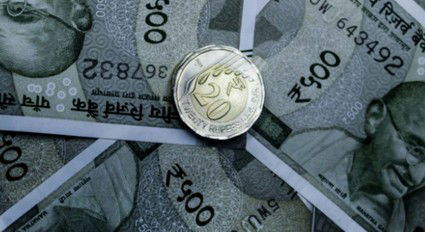
Kochi: The Indian rupee breached the 95-per-dollar mark for the first time, reflecting mounting pressure from global and domestic economic factors. On Thursday, the currency weakened to an intraday low of 95.22 before recovering slightly to close at 94.78.

The sharp depreciation is largely attributed to surging crude oil prices, which have climbed above $115 per barrel, and persistent inflationary pressures. Adding to the strain, foreign institutional investors have been pulling out heavily from Indian equity markets. Benchmark indices Sensex and Nifty both declined by over 2 percent in the previous trading session, underscoring weak investor sentiment.

Global developments have further intensified the pressure on the rupee. Escalating tensions in the Gulf region have driven oil prices higher, fueling inflation concerns worldwide. In response, the US Federal Reserve has continued to raise interest rates, strengthening the dollar and pushing up US Treasury yields. This has made dollar-denominated assets more attractive, leading to capital outflows from emerging markets like India.

India’s heavy dependence on oil imports—accounting for nearly 90 percent of its consumption—has made the economy particularly vulnerable to rising crude prices and a stronger dollar. In March alone, foreign investors withdrew investments worth ₹1.2 lakh crore from Indian markets, significantly boosting global demand for the US currency.

Despite the downward trend, the Reserve Bank of India (RBI) stepped in to stabilise the currency. Through market interventions, including dollar sales via public sector banks, the central bank helped the rupee recover from its intraday lows. After considerable volatility, the currency ended the day 7 paise stronger than its lowest point.

The rupee had earlier touched an all-time low of 93.62 before showing signs of recovery due to sustained RBI action. However, the broader outlook remains concerning. The current financial year marks the rupee’s worst performance since 2011, with a decline of 11.4 percent. This compares with smaller falls of 2.4 percent in 2025 and 1.46 percent in 2024, while 2011 had seen a sharper drop of 13.9 percent.

The RBI is also closely monitoring banks’ foreign exchange exposure through regulations on Net Open Position limits. If fully enforced, these measures could bring assets worth $300–400 billion into the currency market, potentially lending support to the rupee.

Market experts warn that if current trends persist—particularly elevated oil prices and sustained capital outflows—the rupee could weaken further.

A move toward the ₹100-per-dollar mark, once considered unlikely, is now increasingly being viewed as a realistic possibility.