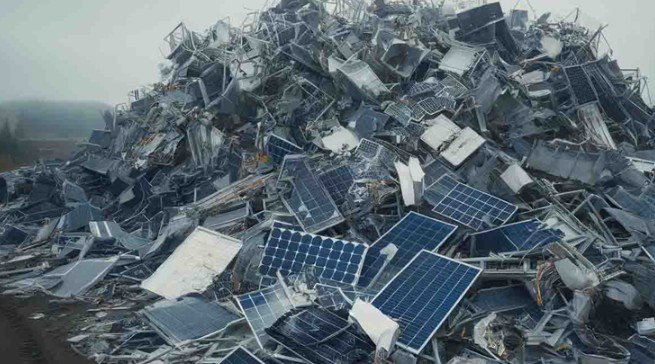
As solar energy continues its rapid global expansion, new concerns are emerging over the environmental and logistical challenges posed by aging and discarded solar panels.
Recent insights into solar efficiency highlight the growing adoption of renewable energy technologies. A standard 400-watt solar panel can charge a 12V battery with a capacity of 100Ah–200Ah within a single day under optimal sunlight conditions. In contrast, a 100-watt panel may require 10 to 14 hours to fully charge a 100Ah battery. Experts note that larger battery systems often require multiple panels—typically two to three 400-watt units—to ensure efficient charging.
Battery technology also plays a crucial role in energy utilization. While a 12V 100Ah battery stores approximately 1,200 watt-hours of energy, usable output varies significantly. Lead-acid batteries typically deliver only about 50% of stored energy, whereas lithium batteries can provide up to 80–100%, making them a more efficient—though resource-intensive—alternative.
The demand for lithium, a key component in modern batteries, is also under scrutiny. Industry estimates suggest that producing a single electric vehicle (EV) battery requires lithium equivalent to nearly 10,000 smartphone batteries. With over 350 million EVs projected to be sold globally by 2030, the pressure on lithium supply chains is expected to intensify.
Despite its environmental promise, solar energy faces a critical sustainability challenge: waste management. Analysts warn that the replacement rate of solar panels is increasing faster than anticipated. Combined with high recycling costs and limited infrastructure, this trend raises the risk of large volumes of decommissioned panels ending up in landfills.
Solar panels, while generally safe during operation, can become hazardous when damaged or improperly disposed of. They contain trace amounts of toxic materials such as lead and cadmium, which can leach into soil and groundwater if panels break down in landfills. Certain panel types also include carcinogenic compounds, increasing environmental risks.
Safety concerns extend beyond environmental contamination. Broken panels can produce sharp glass debris, posing physical hazards, while improperly handled systems may generate dangerous electrical voltages. In some cases, damaged panels may even present fire risks due to internal faults.
The scale of the challenge is significant. By 2050, global solar panel waste could reach an estimated 78 million tons, placing additional strain on already burdened landfill systems. Recycling remains complex and costly, requiring separation of materials like glass, aluminum, silicon, and small quantities of precious metals such as silver.
Regulatory frameworks are also evolving. In several countries, including the United States, solar panel waste may be classified as hazardous depending on toxicity levels, placing responsibility on users and operators for proper disposal and compliance.
Industry experts emphasize that the current recycling infrastructure is insufficient to handle the anticipated surge in solar waste. Economic incentives for recycling remain weak, as most panels are composed largely of low-value glass, despite containing small amounts of recoverable metals.
However, efforts are underway to address the issue. Companies such as SOLARCYCLE are developing advanced recycling solutions capable of recovering up to 96% of valuable materials, including silver, copper, gold, and lead, from solar equipment and related electrical components.
Experts stress the urgent need for coordinated action among regulators, manufacturers, and industry stakeholders. Strengthening recycling infrastructure, improving cost efficiency, and implementing timely legislation will be critical to managing what many describe as an impending “solar waste avalanche.”
While solar energy remains a cornerstone of the global transition to clean energy, its long-term sustainability will depend on how effectively the industry addresses the growing challenge of end-of-life waste.
Environmentalists, be ready to warn yet another crisis!