








AMERICA
US can exact 'much, much greater pain', ball in Iran’s court: Vance
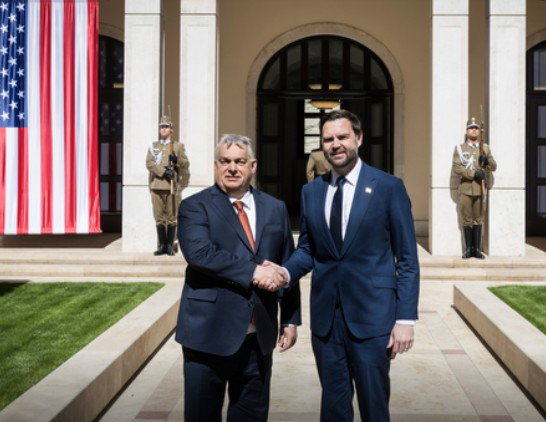

26 minutes ago
Left flank of Democratic Party has setback with defeat of radical in Wisconsin primary

2 hours ago
Veteran White House reporter breaks 26-year silence on Clinton’s 2000 Pakistan decoy plane

2 hours ago
Houthis launch fresh ballistic missile attack on Yemen's Red Sea port city

4 hours ago
CPI-M MP John Brittas files privilege motion against BJP's Sushmita Dev over 'lungi wala' remark; Oppn extends support

4 hours ago
The Indian Panorama's "America@ 250" Special Edition launched by GOPIO

7 hours ago
K'taka bans sale & distribution of tobacco, nicotine products for 1 year; urges public to build addiction-free state

7 hours ago
Vijay Sethupathi's film with Balaji Tharaneetharan titled 'Baththa'; film to hit screens on October 1

7 hours ago
Lisa Ray reveals the impact of chemotherapy on her body: ‘I went into menopause at 37’

7 hours ago
Wamiqa Gabbi chops long tresses, flaunts new short-hair look

7 hours ago
‘Haiwaan’ trailer starring Akshay Kumar, Saif Ali Khan sets stage for gritty, unsettling narrative through striking use of silhouettes

7 hours ago
Gurinder Chadha shares an unseen wedding moment, recalls videographer telling her, ‘An Indian bride never smiles’

7 hours ago
Radhika Pandit calls Yash her ‘favourite YES’ as they mark 10 years of engagement

8 hours ago
Geetu Mohandas heaps praise on Manish Malhotra for Kiara Advani’s ‘Toxic’ look