




BUSINESS
Digital shift hits TN's Tirupur textile hub as election merchandise orders drop sharply
Coimbatore, April 13
With the Tamil Nadu Assembly elections fast approaching on April 23, Tirupur’s textile hub -- traditionally energised during poll season -- is witnessing an unusual slowdown, as demand for election-related merchandise has dropped sharply this year.
Manufacturers across Tirupur, long regarded as the backbone of election campaign material production, say evolving political strategies have significantly reduced orders. Parties are now focusing more on digital outreach and social media engagement rather than large public rallies, which historically generated bulk demand for items such as printed T-shirts, caps, and flags.
Industry observers note that this transition has disrupted a dependable seasonal business cycle. Many small and medium-scale units that would typically operate at full capacity during elections are now running below optimal levels, reflecting the growing influence of technology-driven campaigning.
Another noticeable trend is the decline in candidate-specific merchandise. In previous elections, candidates frequently ordered customised materials featuring their names and symbols for local campaigns. This practice has now largely faded, indicating a shift away from personalised, ground-level branding.
Campaign styles at the grassroots level have also changed. Door-to-door canvassing, once marked by party workers dressed in branded T-shirts, has given way to more economical alternatives.
Party workers increasingly prefer low-cost items such as towels, which are inexpensive and sufficient for campaign visibility.
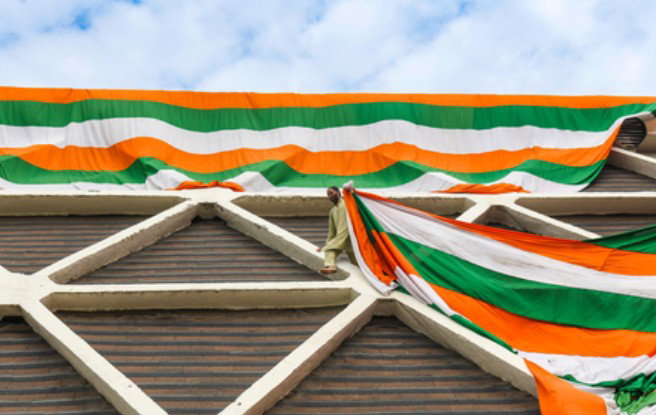
The slowdown is not limited to apparel. Sales of campaign accessories like caps have seen a steep drop, with actual orders falling short despite initial enquiries. Similarly, flag manufacturers are facing losses, as a considerable portion of pre-produced stock remains unsold even as polling day nears.
Delays in finalising alliances and announcing candidates have further impacted the industry, reducing the time available for campaign spending.
Manufacturers say orders usually pick up only after nominations are confirmed, leaving little room for large-scale production this time. However, some demand has emerged from new political entrants, creating limited opportunities for fresh orders. Still, tight timelines have restricted manufacturers from fully capitalising on this segment.
Adding to the pressure is growing competition from low-cost suppliers in North India, prompting buyers to opt for cheaper, disposable materials over Tirupur’s higher-quality cotton products.
As the election approaches, uncertainty remains over whether demand will recover, with the digital shift continuing to reshape traditional campaign economies.
