Dhaka, May 3
Bangladesh is currently grappling with a severe measles epidemic with over 32,000 suspected cases and more than 250 deaths, mostly young children, having been recorded since mid-March.
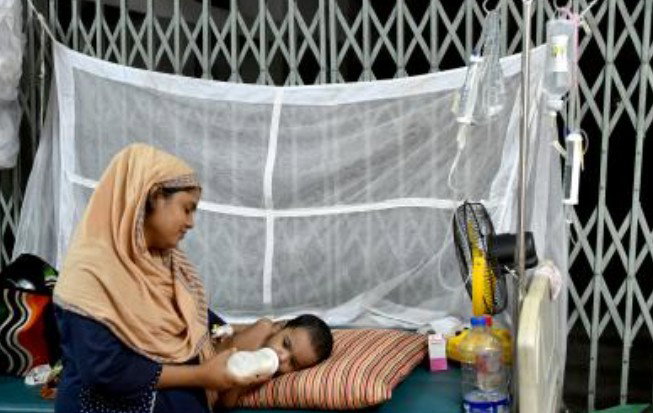
The outbreak has triggered chaotic scenes in hospitals across the country, with Dhaka’s Infectious Disease Hospital overwhelmed by children last month — some gasping for breath and others lying motionless — while bed shortages forced many to be treated on the floor, a report highlighted on Saturday.
According to ‘Science Adviser', the epidemic stems from a “catastrophic breakdown” in vaccine procurement following the July 2024 protests, leading to nationwide vaccine shortages and a sharp decline in immunisation rates.
The rising death toll from the measles outbreak has been exacerbated by high child malnutrition and a weak health system, with experts highlighting how quickly progress in public health can unravel.
Following the ouster of former Bangladesh Prime Minister Sheikh Hasina after widespread protests in 2024, the interim government led by Muhammad Yunus, which took charge subsequently, disrupted the entire vaccine coverage system during its 18-month tenure.
The report stated that in September 2025, the interim government ended vaccine procurement through UNICEF and shifted to an open tender system — “a procurement process in which the government invites suppliers to bid and evaluates proposals before placing orders.”
UNICEF strongly opposed the move, warning it might disrupt the immunisation system and trigger an outbreak. “It was very frustrating," Science Adviser quoted Rana Flowers, the agency’s representative in Bangladesh, as saying. She recalled repeatedly warning health officials and urging former interim health advisor Nurjahan Begum, "For God’s sake … don’t do this."
“The tender process got mired in bureaucratic delays, and the supply of vaccines dried up, leading to nationwide stockouts that hampered routine immunisation. A supplemental MR immunisation campaign, originally planned for 2024 but postponed to 2025 because of the political unrest, was cancelled as well. In late March of this year, government figures indicated only 59 per cent of eligible children received their measles vaccination in 2025,” the report noted.
Given the rapid speed of the transmission of measles in Bangladesh, Be-nazir Ahmed, former Director of disease control at the country’s Directorate General of Health Services, warned that the emergency vaccination campaign is unlikely to curb the epidemic quickly.
“At this rate of vaccination, the infection will not decrease right now,” Science Adviser quoted him as saying.
Emphasising the need for urgent action, Mohammad Mushtuq Husain, an advisor at Dhaka-based Institute of Epidemiology, Disease Control and Research (IEDCR), said that the government of Bangladesh should formally declare a public health emergency to reflect the severity of the crisis.
“This is already an emergency, so why hesitate to officially declare a public health emergency?” he asked.