Washington, May 13
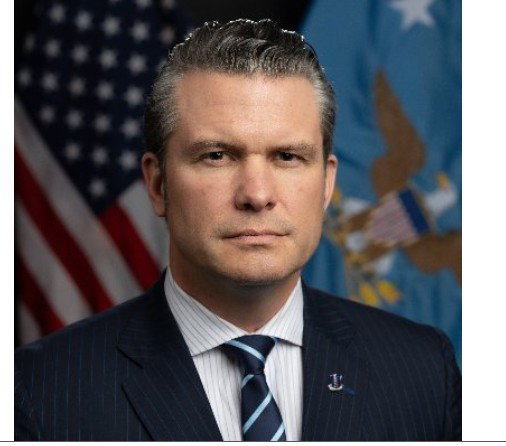
US Secretary of War Pete Hegseth fiercely defended the Trump administration’s military campaign against Iran, clashed repeatedly with Democratic senators over the soaring costs of the conflict, and insisted the United States still “holds all the cards” despite continued disruption in the Strait of Hormuz.
Appearing before the Senate Appropriations Subcommittee on Defence alongside Joint Chiefs Chairman General Dan Caine, Hegseth also sought to reassure allies in the Indo-Pacific ahead of President Donald Trump’s upcoming visit to China, saying the administration remained committed to freedom of navigation in the South China Sea and support for partners such as Japan, Taiwan and the Philippines.
The contentious hearing centred on Trump’s proposed $1.5 trillion defence budget, the ongoing war with Iran, rising fuel prices linked to the closure of the Strait of Hormuz, and concerns from lawmakers over NATO, Ukraine and China.
Senate Appropriations Committee Chairman Mitch McConnell questioned why key military priorities, such as missile defence, munitions, and drone warfare, had not been fully incorporated into the Pentagon’s base budget request. He also warned against weakening ties with allies at a time when “our adversaries are working together to undermine America and the West.”
Democratic senators repeatedly pressed Hegseth on the administration’s Iran strategy and its economic fallout.
Senator Chris Coons said Americans were paying the price for a war that lacked “clear objectives and a plan for how it ends,” while Senator Patty Murray criticised the administration for seeking massive defence spending while Americans struggled with rising fuel and food prices.
The Pentagon estimated the Iran conflict has already cost about $29 billion, though officials acknowledged damage to US military facilities had not yet been fully calculated.
Hegseth defended the military campaign aggressively.
The Secretary of War insisted Iran’s military capabilities had been severely weakened.
“For 47 years, we’ve been attacked by Iran, and they’ve been lying to pursue a nuclear weapon and President Trump had the courage to do something about it,” he said.
“The entirety of Iran’s conventional navy is at the bottom of the Persian Gulf,” Hegseth said, arguing the administration now had “more leverage than we’ve ever had.”
But lawmakers from both parties questioned whether the administration had a viable plan to reopen the Strait of Hormuz, where commercial shipping disruptions have driven up global oil prices.
Asked directly how Washington intended to reopen the strait, Hegseth said there were “most certainly” military options available but argued the preferred outcome remained a negotiated settlement under which Iran would stop acting as “pirates of international waters.”
General Caine acknowledged Iran continued to hold “the world’s economy hostage” through its military pressure in the strait, but declined to discuss classified operational details.
The hearing also highlighted deep divisions over Ukraine and NATO.
McConnell praised European allies for increasing defence spending and supporting Ukraine, while Coons warned the administration was sending “the wrong signal” by delaying military assistance approved by Congress.
Hegseth defended the administration’s approach, arguing Washington needed “real, capable allies and partners” willing to share the burden in future conflicts.
China also emerged as a major focus of the hearing. McConnell asked Hegseth whether security commitments to Taiwan and freedom of navigation in the South China Sea would remain protected during Trump’s upcoming talks in Beijing.
Hegseth responded that the administration’s objective was always to ensure that “American interests are advanced” and said that Indo-Pacific partnerships had been strengthened through operational cooperation and burden-sharing.
lkj/rs