








AMERICA
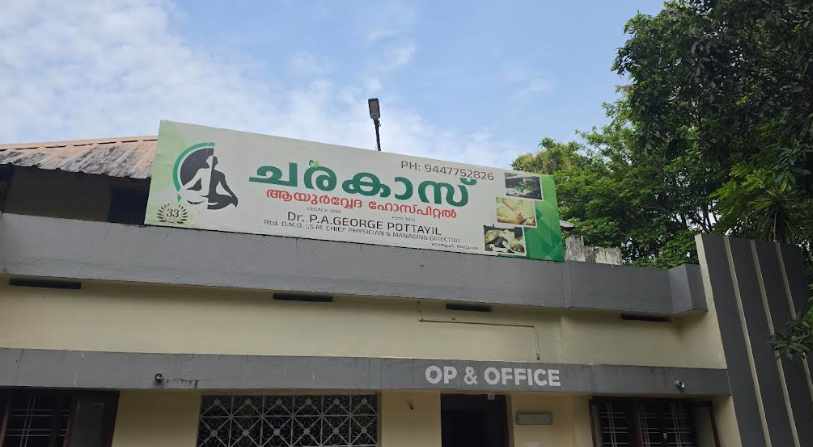
Charakas Ayurveda Hospital in Kerala A Legacy of Holistic Healing and Integrative Care — The Vision of Dr. P. A. George Pottayil
Abstract
Charakas Ayurveda Hospital, founded in 1992 by Dr. P. A. George Pottayil, represents a sustained model of excellence in traditional Indian medicine. This article integrates a professional profile of Dr. George with findings from a structured interview, highlighting the philosophical foundations, diagnostic approaches, therapeutic practices, and integrative healthcare model of the institution. The report emphasizes the relevance of Ayurveda in contemporary healthcare through a combination of clinical experience, individualized care, and holistic treatment principles.
Introduction
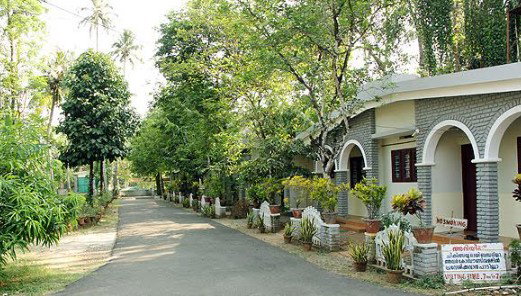
The growing interest in integrative healthcare has underscored the importance of traditional systems such as Ayurveda. Charakas Ayurveda Hospital, located on the banks of River Thodupuzha in the Idukki District in Kerala, exemplifies how classical Ayurvedic principles can be effectively applied within a structured clinical environment. This article presents an institutional and clinical overview of the hospital, grounded in the professional experiences and insights of its founder, Dr. P. A. George Pottayil.
Profile of Dr. P. A. George Pottayil
Dr. P. A. George was born in 1937 in Thodupuzha, Kerala, India, into a family with a longstanding tradition in Ayurvedic practice. Influenced by his father, a traditional physician, he developed an early commitment to healing and patient care.
After completing his formal education in Ayurvedic medicine, Dr. George served in various roles in public healthcare, ultimately retiring as District Medical Officer (DMO) in 1992. Reflecting on his path, he stated, “Ayurveda was not just a career choice for me; it was a calling.”
Following his retirement, he founded Charakas Ayurveda Hospital, extending his service to the community. Despite decades of clinical practice, he continues to engage actively in learning, noting, “I remain a student of Ayurveda, learning from every patient who comes to me.”
Institutional Philosophy
The guiding philosophy of Charakas Ayurveda Hospital is rooted in classical Ayurvedic principles focused on prevention and cure. As Dr. George explained, “The guiding principle is to preserve health and relieve disease.”
This philosophy reflects the Ayurvedic maxim Swasthasya Swasthya Rakshanam, Aturasya Vikara Prashamanam. The hospital adopts a holistic model of care addressing physical, mental, and emotional well-being.
Dr. George emphasized the importance of balance in health, stating, “Health is achieved when the three Doshas—Vata, Pitta, and Kapha—remain in equilibrium.”
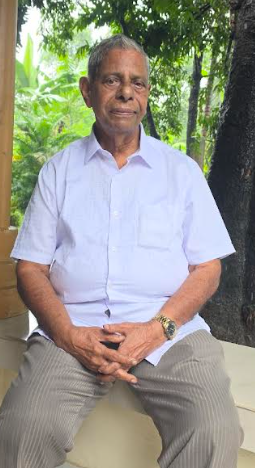
Dr. George Pottayil
Diagnostic Framework
Diagnosis at Charakas Ayurveda Hospital follows a comprehensive approach integrating classical Ayurveda with modern clinical tools. According to Dr. George, “Ayurvedic diagnosis is a comprehensive process.”
Evaluation includes observation (Darshana), physical examination (Sparshana), detailed history taking (Prashna), and pulse diagnosis (Nadi Pariksha). When necessary, modern diagnostic methods such as laboratory tests and imaging are incorporated.
He noted, “By integrating classical Ayurvedic assessment with modern investigations, we can develop accurate, individualized treatment plans.”
Treatment Approaches
Charakas Ayurveda Hospital treats a wide range of conditions, including neurological disorders, arthritis, metabolic conditions, and stress-related illnesses. Treatment is individualized based on each patient’s constitution and clinical presentation.
Dr. George highlighted the importance of personalized care: “The strength of Ayurveda lies in its personalized approach.”
Panchakarma and Therapies
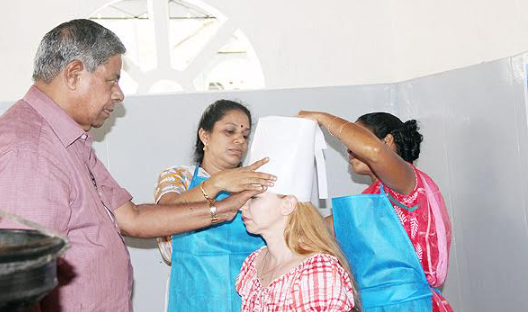
Panchakarma therapies are central to treatment strategies. As explained by Dr. George, “Panchakarma helps eliminate accumulated toxins, improve digestion, and restore balance.”
Treatment plans typically include:
● Ayurvedic medications
● Panchakarma therapies
● Diet and lifestyle modifications
● Yoga and supportive care
Patient-Centered Care
The hospital places strong emphasis on patient education and engagement. Dr. George noted, “I respect the questions and concerns of patients who are new to Ayurveda.”
Clear communication plays a critical role in building trust: “Trust develops through clear communication, compassionate care, and positive outcomes.”
Diet and lifestyle modifications are integral to care: “Many diseases arise from improper food habits and irregular routines.”
Integration with Modern Medicine
Dr. George advocates an integrative, patient-centered approach combining Ayurveda with conventional medicine when appropriate.
He explained, “Modern medicine has strengths in emergency care, while Ayurveda is effective in chronic disease management.”
Patients are often advised to continue conventional treatments alongside Ayurvedic therapies for optimal outcomes: “By combining both systems, we can achieve better patient outcomes.”
Clinical Outcomes
Charakas Ayurveda Hospital has documented numerous successful outcomes. One notable example involved significant recovery of vision:
One of the most significant outcome indicators described by Dr. George involves cases of substantial functional recovery in conditions with poor prognostic expectations. A particularly notable case involved a middle-aged patient with Choroidal Neovascular Membrane (CNVM) leading to severe vision loss:
“Through a carefully planned Ayurvedic treatment protocol involving Panchakarma, internal medicines, and strict dietary regulation, the patient regained approximately 80 to 90 percent of his vision,” Dr. George reported. “The patient regained approximately 80 to 90 percent of his vision through Ayurvedic treatment,” Dr. George reported. “The patient regained approximately 80 to 90 percent of his vision through Ayurvedic treatment.”
This case illustrates several key outcome dimensions: Reversal of functional impairment; Restoration of sensory capacity. And, Sustained improvement through continued management.
Similarly, patients with neurological conditions such as multiple sclerosis and paralysis have demonstrated meaningful gains: “We have seen significant functional improvement and enhanced quality of life in patients with neurological disorders,” he noted.
Rather than complete cure in all cases, the focus is placed on functional rehabilitation and improved daily living capacity, which aligns with modern outcome measures in chronic disease care.
He also cited improvements in chronic neurological conditions, emphasizing the broader therapeutic potential of Ayurveda.
Preventive Health and Lifestyle
Ayurveda places strong emphasis on prevention. Dr. George advised: “Begin with simple principles—eat mindfully, maintain routine, manage stress, and live in harmony with nature.”
He highlighted that consistent lifestyle changes can significantly improve long-term health outcomes.
Charakas Ayurveda Hospital demonstrates how traditional knowledge systems can remain relevant within modern healthcare. Its emphasis on individualized care, prevention, and integration aligns with contemporary models of holistic health.
Dr. George’s clinical philosophy reflects a multidimensional understanding of healing: “True healing requires more than medicines.”
He emphasized the importance of compassion, mental well-being, and disciplined living alongside medical treatment.
Conclusion
Charakas Ayurveda Hospital stands as a model of integrative, patient-centered care grounded in traditional Ayurvedic principles. Under the leadership of Dr. P. A. George, the institution highlights the continued relevance of holistic healthcare approaches.
In summarizing his vision, Dr. George stated: “The future of medicine should not be a competition between systems but a collaboration aimed at improving human health.”


