AMERICA
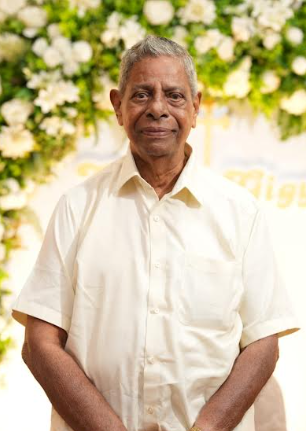
The Enduring Legacy of Dr. P. A. George 'A Life in Service of Ayurveda and Public Health'
Introduction
The integration of traditional medicine into formal healthcare systems remains a critical area of study in global health discourse. Among practitioners who successfully bridged these domains, Dr. P. A. George stands out as an exemplary figure. His professional life reflects dedication to both Ayurvedic principles and modern administrative frameworks, contributing significantly to the credibility and sustainability of traditional Indian medicine.
Early Life and Background
Dr. P. A. George was born on October 27, 1937, in Thodupuzha, Kerala, India. He was raised in a family deeply connected to Ayurveda, with his father, Aipe Vaidyan Pottayil, serving as a traditional Ayurvedic physician. This early exposure played a formative role in shaping his vocational aspirations and commitment to healthcare.
Growing up in a household with multiple siblings, Dr. George developed values rooted in discipline, service, and community engagement—traits that later defined his professional ethos.
Education and Professional Preparation
Dr. George’s educational journey began at Infant Jesus High School, Vazhakulam, followed by higher studies at Nirmala College, Muvattupuzha. He then pursued formal training in Ayurveda, earning:
● Diploma in Ayurvedic Medicine (D.A.M.) from Government Ayurveda College, Tripunithura
● Bachelor of Ayurvedic Medicine (B.A.M.) from Government Ayurveda College, Trivandrum
These academic achievements provided both theoretical grounding and clinical expertise in traditional medicine, positioning him for leadership within public healthcare systems.
Career in Public Healthcare
Dr. George’s professional career was marked by progressive responsibility within government service. He held several key roles, including:
● Academic staff member at Government Ayurveda College, Tripunithura
● Medical Officer and Senior Medical Officer
● Chief Medical Officer
● Superintendent
● District Medical Officer (DMO)
His administrative acumen and clinical competence culminated in his appointment as District Medical Officer, a role from which he retired on October 31, 1992.
Throughout his tenure, Dr. George contributed to strengthening healthcare delivery systems and improving the accessibility of Ayurvedic services within public institutions.
Post-Retirement Contributions and Institutional Leadership
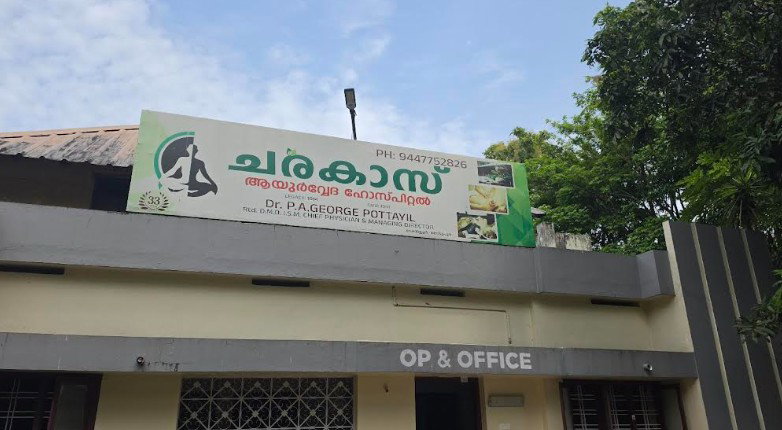
Following retirement, Dr. George transitioned from public service to private healthcare leadership by founding Charakas Ayurveda Hospital in 1992. This institution became a cornerstone of his legacy.
Under his leadership, the hospital:
● Delivered consistent, high-quality Ayurvedic care for over three decades
● Earned recognition for clinical excellence and patient trust
● Served as a model for integrating traditional therapies within structured institutional frameworks
Dr. George’s work demonstrated the viability of Ayurveda as both a community-based and institutional healthcare system, reinforcing its relevance in contemporary practice.
Recognition and Professional Impact
Dr. George’s contributions were acknowledged through numerous awards, honors, and professional recognitions. These accolades reflect his dual impact as both a clinician and an administrator.
His efforts advanced:
● The institutional legitimacy of Ayurveda
● Public trust in traditional medicine
● The development of healthcare infrastructure rooted in indigenous practices
Family and Personal Life
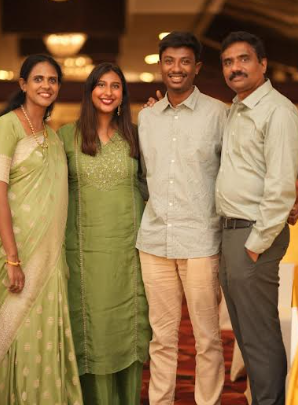
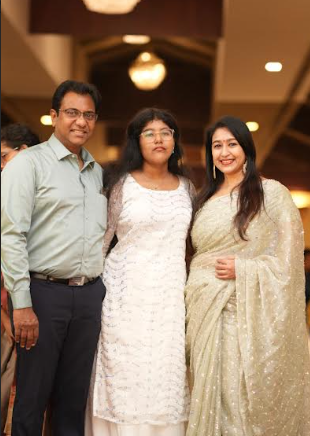
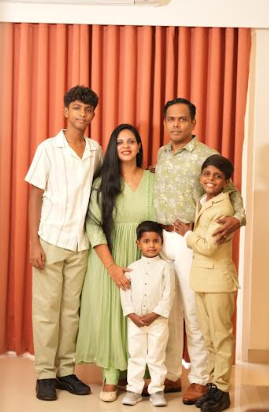
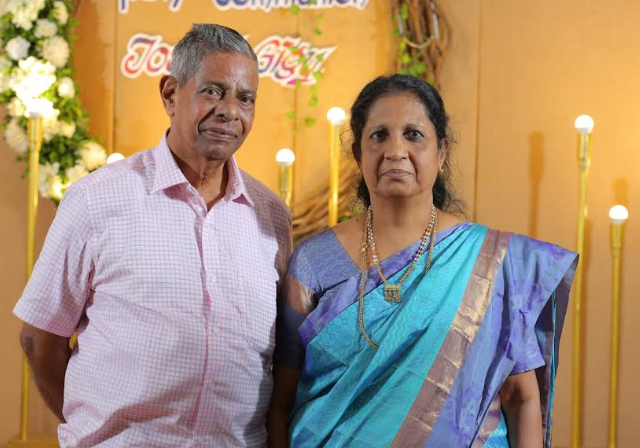
Dr. George was married to Late Baby George and is the father of three accomplished children:
- Dr. G. Shibu – Physician specializing in radiology
- Sheeja B. – Executive Engineer
- Manju B. – Engineer
His family’s professional accomplishments demonstrate a continuation of his values of education, service, and societal contribution. [Mail - Gho...- Outlook]
Legacy and Conclusion
Dr. P. A. George’s life exemplifies the integration of traditional medical knowledge with modern healthcare systems. His contributions span clinical practice, medical education, and administrative leadership, positioning him as a key figure in the evolution of Ayurveda in the late 20th century.
His legacy endures through:
● The continued success of Charakas Ayurveda Hospital
● The patients and communities he served
● The broader institutional recognition of Ayurveda
A respected Ayurveda physician, educator, administrator, and healthcare entrepreneur, his lifelong commitment to Ayurveda has benefited countless patients and contributed significantly to the growth and promotion of traditional Indian medicine.
In an era increasingly focused on integrative medicine, Dr. George’s work offers a model for harmonizing traditional healing systems with contemporary healthcare delivery.
Dr. P.A. George, in an exclusive interview with this writer:
· What inspired you to pursue a career in Ayurveda, and how has your journey evolved over the years?
Ayurveda was not just a career choice for me; it was a calling. Coming from a family with a long tradition of Ayurvedic practice, I was inspired by their experience and dedication to patient care. During my studies and later through my service as a Medical Officer and DMO (ISM), I witnessed the remarkable effectiveness of Ayurveda in managing chronic and complex diseases. These experiences strengthened my belief in its holistic approach, which focuses on treating the root cause of illness rather than merely addressing symptoms. My journey continues even at the age of 88, as I remain a student of Ayurveda, learning from every patient who comes to me.
· Can you share the guiding philosophy behind your practice at Charakas Ayurveda Hospital?
The guiding philosophy of Charakas Ayurveda Hospital is based on the Ayurvedic principle: “Swasthasya Swasthya Rakshanam, Aturasya Vikara Prashamanam”—to preserve health and relieve disease. We treat the patient as a whole, addressing physical, mental, and emotional well-being through individualized treatment, Panchakarma, Every patient should understand that Ayurveda is based on maintaining balance in the body, mind, and spirit. Health is achieved when the three Doshas—Vata, Pitta, and Kapha—remain in equilibrium.
Ayurveda emphasizes prevention, proper digestion, healthy diet and lifestyle, mental well-being, and living in harmony with nature. It also recognizes that every individual is unique; therefore, treatments are personalized according to a person's constitution (Prakriti) and specific health condition. Rather than simply treating disease, Ayurveda aims to promote long-term health and well-being through diet, yoga, and compassionate care. Over the years, the hospital has demonstrated the true potential of Ayurveda by helping many patients recover from conditions once considered difficult to treat. Ayurveda Principles & Diagnosis
· How do you approach diagnosing a patient in Ayurveda, especially in identifying dosha imbalances?
Ayurvedic diagnosis is a comprehensive process. We assess the patient through Darshana (observation), Sparshana (physical examination), Prashna (history taking), and Nadi Pariksha (pulse examination). We evaluate the patient's Prakriti (constitution), Vikriti (current imbalance), Agni, Dhatus, and lifestyle factors to understand the root cause of disease. When necessary, we also utilize modern diagnostic tools such as blood tests, X-rays, and MRI scans. By integrating classical Ayurvedic assessment with modern investigations, we can develop accurate, individualized treatment plans and provide better patient care.
· What are the key principles of Ayurveda that you believe every patient should understand?
Every patient should understand that Ayurveda is based on maintaining balance in the body, mind, and spirit. Health is achieved when the three Doshas—Vata, Pitta, and Kapha—remain in equilibrium. Ayurveda emphasizes prevention, proper digestion, healthy diet and lifestyle, mental well-being, and living in harmony with nature. It also recognizes that every individual is unique; therefore, treatments are personalized according to a person's constitution (Prakriti) and specific health condition. Rather than simply treating disease, Ayurveda aims to promote long-term health and well-being. Treatment & Therapies
· What types of conditions do you most commonly treat at your hospital, and which therapies are most effective?
At our hospital, we commonly treat neurological disorders, musculoskeletal diseases, arthritis and rheumatic conditions, chronic skin diseases, digestive and metabolic disorders, gynecological conditions, stroke, paralysis, stress-related illnesses, and certain eye diseases. Treatment is always individualized according to the patient's condition. We combine Panchakarma, Ayurvedic medicines, dietary and lifestyle modifications, yoga, and supportive care to achieve the best outcomes. The strength of Ayurveda lies in its personalized approach, where treatment is tailored to each individual's needs.
· Can you explain how therapies like Panchakarma help in restoring health balance?
Panchakarma is one of Ayurveda's most important therapeutic approaches for restoring health and balance. It helps eliminate accumulated Doshas and Ama (metabolic toxins), improves digestion and metabolism, and supports the proper functioning of the body's tissues (Dhatus). By cleansing and rejuvenating the body, Panchakarma enhances the body's natural healing capacity, improves overall vitality, and increases the effectiveness of Ayurvedic treatments. Since every individual is unique, Panchakarma is carefully tailored to each patient's condition and constitution.
· How do you decide between herbal remedies, lifestyle changes, and therapies for a patient?
The choice between herbal medicines, lifestyle modifications, and therapies depends on the nature and stage of the disease, the patient's constitution, age, digestive strength, mental condition, and the dosha imbalance involved. In some cases, lifestyle and dietary changes alone can bring significant improvement, while in others, medicines or Panchakarma therapies may be necessary. The best outcomes are usually achieved through a personalized combination of herbal remedies, lifestyle regulation, and therapeutic procedures. Patient Care & Approach
· How do you handle patients who are new to Ayurveda or skeptical about its effectiveness?
I respect the questions and concerns of patients who are new to Ayurveda or skeptical about its effectiveness. I take time to explain Ayurvedic principles in simple language and help them understand how treatment is individualized based on their constitution, disease condition, and overall health status. I discuss realistic expectations, the role of diet, lifestyle modifications, and therapies such as Panchakarma, and encourage patients to actively participate in their healing process. Trust develops through clear communication, transparency, compassionate care, and, most importantly, positive clinical outcomes.
· What role does diet and daily routine play in your treatment plans?
Diet and daily routine are fundamental components of Ayurvedic treatment. Ayurveda recognizes that many diseases arise from improper food habits, irregular routines, and unhealthy lifestyles. Therefore, we provide individualized dietary and lifestyle recommendations based on the patient's Dosha, Prakriti, disease condition, and seasonal factors. A proper diet and daily routine support healing, enhance the effectiveness of treatment, and help maintain long-term health and well-being. Integration & Modern Relevance.
· Do you integrate Ayurveda with modern medicine, and in what situations would you recommend conventional treatment?
Yes, I believe in an integrative and patient-centered approach, where patient welfare always comes first. Modern medicine has clear strengths in emergency care, trauma management, advanced diagnostics, intensive care, and certain surgical interventions. Ayurveda, on the other hand, is particularly effective in prevention, chronic disease management, rehabilitation, lifestyle disorders, and improving quality of life.
In conditions such as stroke, paralysis, and other chronic illnesses, patients are often advised to continue their prescribed conventional treatment while undergoing Ayurvedic therapies, including Panchakarma. By combining the strengths of both systems when appropriate, we can support recovery, improve overall health, and achieve better patient outcomes. Experience & Insights.
· Could you share a few memorable cases where Ayurvedic treatment at Charakas made significant differences in a patient's life?
Many memorable cases have strengthened my faith in Ayurveda. One particularly notable case involved a 52-year-old police officer who suffered severe visual loss due to Choroidal Neovascular Membrane (CNVM). The prognosis for vision recovery was poor. Through a carefully planned Ayurvedic treatment protocol involving Panchakarma, detoxification procedures, internal medications, dietary regulation, and close monitoring, he regained approximately 80–90% of his vision.
I have also managed patients with neurological disorders including multiple sclerosis and other chronic conditions where significant functional improvement and enhanced quality of life were achieved. While every case is unique and outcomes vary, such experiences remind us of Ayurveda’s immense potential when applied appropriately. Future & Advice.
· What advice would you give to people today who want to adopt Ayurveda for better long-term health?
My advice is to begin with the simple principles of Ayurveda: eat mindfully, maintain a regular daily routine, get adequate sleep, exercise appropriately, manage stress, and practice yoga or meditation. Ayurveda teaches us to live in harmony with nature and emphasizes prevention as much as treatment. For those willing to understand and follow its principles, Ayurveda can play an important role in promoting health, preventing disease, and supporting long-term well-being. Small, consistent lifestyle changes can have a profound impact on maintaining a healthier and more balanced life.
· Anything Else You Want to Share?
After more than six decades of medical practice, I have learned that true healing requires more than medicines. Compassion, proper nursing care, disciplined lifestyle, positive thinking, yoga, meditation, and spiritual well-being all contribute to recovery. Classical Ayurveda describes three major approaches to treatment: Yuktivyapashraya (rational therapy), Daivavyapashraya (spiritual measures), and Sattvavajaya (psychological strengthening).
Modern healthcare increasingly recognizes the importance of this holistic approach. The future of medicine should not be competition between systems but a collaboration aimed at improving human health and reducing suffering. I remain grateful to my beloved parents, teachers, colleagues, patients, and family for being part of this lifelong journey in the service of healing.