Washington, Aug 8
The US Senate passed a sweeping Russia sanctions bill that does not name India but could expose it and other major buyers of Russian energy to tariffs of up to 100 per cent.
Passed by the Senate by 86-11 vote, the Lindsey Graham Sanctioning Russia and Iran Act of 2026 now goes to the House of Representatives, where senior Democrats have objected to its tariff provisions.
The legislation requires the administration to identify countries using trade data rather than naming them in the statute. It covers the five largest importers of Russian crude oil, the five largest importers of Russian natural gas and the five leading countries facilitating Russian oil sanctions evasion.
Those determinations would be based on the most recent 12-month period and reviewed every 180 days.
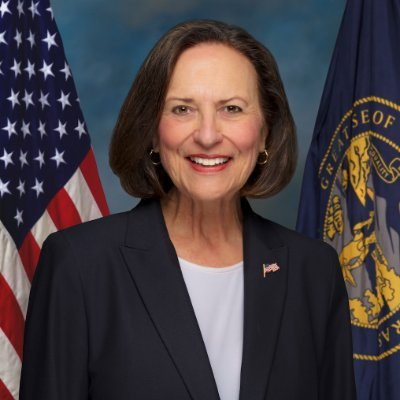
India, China and Brazil were named separately by Republican Senator Deb Fischer in a statement supporting the bill. Her remarks are not part of its statutory text.
“The Kremlin’s war machine runs on the money it makes from selling cheap oil and gas to countries like China, India, and Brazil who then profit by reselling Russian energy at a markup,” Fischer said. “It is long overdue for these enablers to pay a price.”
She said the measure would pressure the world’s largest purchasers of Russian energy to reduce their dependence on Moscow.
The bill would impose primary and secondary sanctions against Russian officials, oligarchs, their family members, banks and financial institutions. It also targets foreign actors supporting Moscow’s war in Ukraine and Russia’s so-called shadow fleet used to transport oil and evade sanctions.
“Today we say to the people of Ukraine, you are not alone. And we say to Vladimir Putin, you will not conquer Ukraine,” Democratic Senator Richard Blumenthal said.
The legislation was named after Republican Senator Lindsey Graham, who negotiated an agreement with the White House before his sudden death on July 11. Senators accelerated work on the measure after his death.
It would also extend the Iran Sanctions Act of 1996 until 2031. The law penalises companies investing in Iran’s energy sector.
The tariff authority divided Democrats. An amendment from Republican Senator Rand Paul and Democratic Senator Ron Wyden seeking to remove the provisions failed 32-64.
Democratic Senator Raphael Warnock lifted his hold on the bill after US Trade Representative Jamieson Greer provided a written commitment that the administration would follow the law as written.
“Let's be clear: Putin is a war criminal, and his war machine must be stopped,” Warnock said. “But we should not have to choose between putting a check on Putin's aggression and putting a check on this president's tariff regime.”
House Foreign Affairs Committee ranking Democrat Gregory Meeks and Representative Don Beyer said the Senate bill gave President Donald Trump sweeping tariff authority while retaining broad presidential waivers on sanctions. “But the current text is unacceptable,” they said.
The House is in recess until Aug 31 and has not indicated whether it will consider the measure. It passed a separate Russia sanctions and Ukraine aid bill in June after supporters used a discharge petition to force a vote.