








HEADLINES
SC pulls up Centre, FSSAI over delay in front-of-pack warning labels on packaged foods
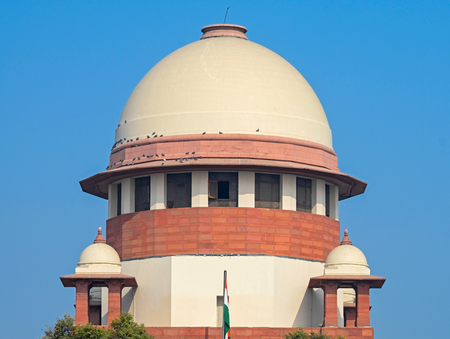

25 minutes ago
Shake down middlemen, not common citizens, to finance drought aid: Shiv Sena(UBT) in 'Saamana'

26 minutes ago
Saudi Arabia is India’s trusted and valued strategic partner: FM Sitharaman

26 minutes ago
Former IAS officer Divya Mittal announces political entry, rules out joining any party

27 minutes ago
48 trekkers evacuated from Uttarakhand's Uttarkashi amid heavy rainfall

32 minutes ago
KGMU warns nursing students of disciplinary action over protest, attendance impact

33 minutes ago
CM Revanth Reddy's 'Ram god of rich, Shiva of poor' remark triggers BJP backlash

34 minutes ago
US President Trump announces Essar-backed Mesabi Metallics’ $18 billion investment to create fully integrated American steel company

35 minutes ago
Death toll climbs to five in house collapse in UP's Fatehpur

38 minutes ago
TN govt to continue cloth bag scheme under new name

3 hours ago
Netanyahu visits UAE at invitation of President Sheikh Mohamed bin Zayed; holds talks on strengthening relations between two nations

3 hours ago
Community Leaders and Friends Celebrated Koshy O. Thomas’s Birthday in NewYork

3 hours ago
"Indirect discussions held with US; official reply expected "hopefully" by Tuesday," says Iranian FM Araghchi

3 hours ago
SpaceX launches super-heavy rocket Starship, signals intent to 'go where no man has gone before'