Articles features
All bets are off, if even one n-bomb is used: Pak N-physicist Pervez Hoodbhoy
New Delhi, Oct 4
The Uri attack that killed 19 Indian Army soldiers and the subsequent "surgical strikes" across the Line of Control (LoC) that took out an estimated 35-40 militants has seen the ratcheting up of dangerous rhetoric on both sides of the border.
As the din of those rooting for war reached a crescendo, Pakistan's Defence Minister Khawaja Muhammad Asif even threatened to unleash tactical nuclear weapons on India. How portentous is the threat? What does "tactical" mean when used in the same breath as nuclear weapons?
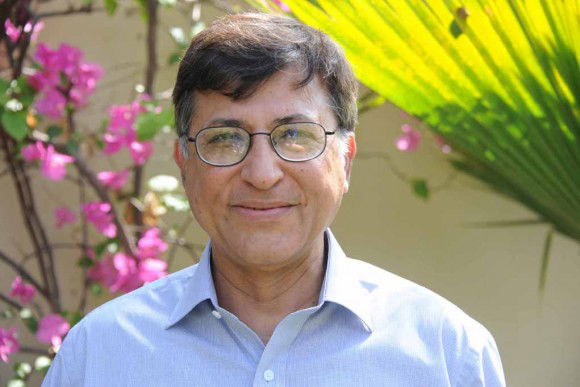
In an email interview with IANS, Pervez Hoodbhoy, the Karachi-based nuclear physicist, who is a champion of freedom of expression, answers questions with "surgical" precision. He teaches physics and mathematics in Lahore. He was voted 85th in a list of 100 public intellectuals from around the globe by 'Foreign Policy' magazine in 2011. Excerpts from the interview:
Q: What is the difference between tactical and strategic nuclear weapons?
A: Tactical weapons generally have smaller yields and can be launched from trucks armed with multiple rocket barrels. These have ranges that do not exceed 100km. Strategic weapons can be aircraft or missile delivered to any place on the subcontinent.
Q: Under what circumstances is Pakistan likely to deploy and use its tactical nuclear weapons?
A: Pakistan has always said that its tactical nuclear weapons exist to thwart a major Indian land invasion or sea blockade. However, I suppose that there must be planning for other contingencies as well.
Q: How much damage can they cause in comparison to strategic nuclear weapons?
A: Both can inflict a huge amount of damage depending upon where they are used. There is no clear distinction between strategic and tactical weapons. If used against a military target, the warhead is called tactical. But when used against a population centre, dam or industrial site, it is called strategic.
Q: What is the likelihood of the use of a tactical nuclear weapon escalating into a full-blown nuclear war?
A: The use of a nuclear weapon against any kind of target signals that a nuclear war has started. The chances are that if one is used, there will be a retaliatory strike. Escalation is very likely, to the point that war may end only when all weapons have been used up.
Q: Can the use of nuclear weapons ever be justified, however low-intensity? In the context of Indo-Pakistan hostilities, have they been a deterrent?
A: People need to understand that the use of a single nuclear weapon, even if small in size, is breaking a deep taboo. Once broken, all bets are off because anything can happen after that. While it is clear that nuclear weapons have prevented India from using its larger conventional might against Pakistan, they have allowed Pakistan to take a much more aggressive position against India. I had argued with the late K. Subrahmanyam (a strategic affairs analyst and an early shaper of Indian nuclear policy) on this point repeatedly 20 years ago, but he had dismissed the possibility of Pakistan achieving bomb status.
Q: As a rational voice from across the border, who do you think has been the "aggressor" of the two countries? Do you see any weight in India's claim of being a victim of Pakistan's proxy wars?
A: People like me have long argued that Pakistan has used the nuclear umbrella to protect groups such as Lashkar-e-Toiba. This is an abominable fact. Under no circumstances should Pakistan shelter or aid those who kill and murder, whether the victims be Indians or Pakistanis. At the same time, I am dismayed by the hard line India is taking on Kashmir. It could push us into even more difficult times.
Q: What steps should the governments take to de-escalate?
A: It is crucial to limit the rhetoric and desist from inflaming the situation on the LoC. Else, no one can predict where things might go.

As the din of those rooting for war reached a crescendo, Pakistan's Defence Minister Khawaja Muhammad Asif even threatened to unleash tactical nuclear weapons on India. How portentous is the threat? What does "tactical" mean when used in the same breath as nuclear weapons?
In an email interview with IANS, Pervez Hoodbhoy, the Karachi-based nuclear physicist, who is a champion of freedom of expression, answers questions with "surgical" precision. He teaches physics and mathematics in Lahore. He was voted 85th in a list of 100 public intellectuals from around the globe by 'Foreign Policy' magazine in 2011. Excerpts from the interview:
Q: What is the difference between tactical and strategic nuclear weapons?
A: Tactical weapons generally have smaller yields and can be launched from trucks armed with multiple rocket barrels. These have ranges that do not exceed 100km. Strategic weapons can be aircraft or missile delivered to any place on the subcontinent.
Q: Under what circumstances is Pakistan likely to deploy and use its tactical nuclear weapons?
A: Pakistan has always said that its tactical nuclear weapons exist to thwart a major Indian land invasion or sea blockade. However, I suppose that there must be planning for other contingencies as well.
Q: How much damage can they cause in comparison to strategic nuclear weapons?
A: Both can inflict a huge amount of damage depending upon where they are used. There is no clear distinction between strategic and tactical weapons. If used against a military target, the warhead is called tactical. But when used against a population centre, dam or industrial site, it is called strategic.
Q: What is the likelihood of the use of a tactical nuclear weapon escalating into a full-blown nuclear war?
A: The use of a nuclear weapon against any kind of target signals that a nuclear war has started. The chances are that if one is used, there will be a retaliatory strike. Escalation is very likely, to the point that war may end only when all weapons have been used up.
Q: Can the use of nuclear weapons ever be justified, however low-intensity? In the context of Indo-Pakistan hostilities, have they been a deterrent?
A: People need to understand that the use of a single nuclear weapon, even if small in size, is breaking a deep taboo. Once broken, all bets are off because anything can happen after that. While it is clear that nuclear weapons have prevented India from using its larger conventional might against Pakistan, they have allowed Pakistan to take a much more aggressive position against India. I had argued with the late K. Subrahmanyam (a strategic affairs analyst and an early shaper of Indian nuclear policy) on this point repeatedly 20 years ago, but he had dismissed the possibility of Pakistan achieving bomb status.
Q: As a rational voice from across the border, who do you think has been the "aggressor" of the two countries? Do you see any weight in India's claim of being a victim of Pakistan's proxy wars?
A: People like me have long argued that Pakistan has used the nuclear umbrella to protect groups such as Lashkar-e-Toiba. This is an abominable fact. Under no circumstances should Pakistan shelter or aid those who kill and murder, whether the victims be Indians or Pakistanis. At the same time, I am dismayed by the hard line India is taking on Kashmir. It could push us into even more difficult times.
Q: What steps should the governments take to de-escalate?
A: It is crucial to limit the rhetoric and desist from inflaming the situation on the LoC. Else, no one can predict where things might go.
9 hours ago
World leaders express solidarity with Venezuela after deadly earthquakes
9 hours ago
Death toll in Venezuela's back-to-back earthquakes rises to 164
11 hours ago
At least 32 dead, 700 injured in Venezuelan earthquakes: Acting president
12 hours ago
Sudheeran returns to familiar turf, puts Satheesan Govt on defensive
12 hours ago
Cong writes to Prime Minister over new FCRA rules seeking immediate withdrawal
12 hours ago
Amazon’s $48 billion investment in India to create new opportunities for youth: PM Modi
12 hours ago
ED to implead in Kerala attack case after bail to accused; police wants special prosecutor
14 hours ago
Pankaj Tripathi, Ali Fazal, Divyenndu’s ‘Mirzapur- The Movie’ teaser promises ‘epic bhaukaal’
14 hours ago
Alka Yagnik says she is ‘progressing positively’ after wheelchair video from Padma Bhushan ceremony sparks concern
14 hours ago
Divya Seth Shah says she’s trying to live the way her late daughter wanted and seek peace after her demise
14 hours ago
John Abraham shares AI video of upcoming project, Internet slams half-hearted effort
14 hours ago
Ila Arun shuts down comments doubting Alka Yagnik’s singing after Padma honour & health concerns
14 hours ago
Kangana Ranaut marks Samvidhaan Hatya Diwas, calls emergency an attack on Democracy