








Headlines
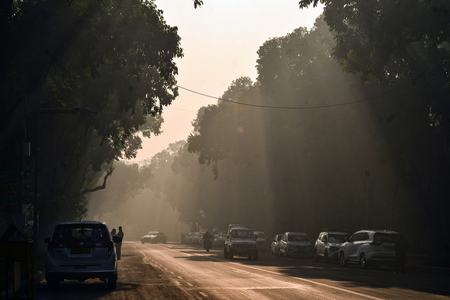
Delhi-NCR air remains in ‘very poor’ category; winter chill eases

3 hours ago
Kareena Kapoor wishes Rhea Kapoor's husband Karan Boolani: May the martini always be top

3 hours ago
INDIA bloc stir: Rahul, Priyanka Gandhi detained from Akashwani Bhavan after over 9 hours of sit-in

4 hours ago
India among seven bidders as IOC lays out roadmap to select 2036 Olympic host

5 hours ago
Renascent Media Launches #OakTreeStories with“Bollywood Jamming” to Celebrate and Promote Oak TreeRoad

9 hours ago
High on energy, low on egos: Trinamool's Derek O'Brien on INDIA bloc protest

9 hours ago
INDIA bloc MPs stage sit-in metres away from ECI office; Rahul, Priyanka enter Akashvani Bhawan

9 hours ago
Karnataka raise cash rewards for Asiad medallists; Rs 1 crore for gold, 75 lakh for silver

9 hours ago
China Open: Alexandrova upsets Noskova, Andreeva moves into QF as well

9 hours ago
France roar back to beat Belgium 4-1, sit atop in Nations League Group A1

9 hours ago
Italy overpower Turkiye 3-1 to stay in contention for Nations League QF

9 hours ago
'I have done my duty': Harmanpreet Kaur steps down as India captain

9 hours ago
Sreenath Bhasi’s time-travel thriller 'Orijinal' to hit screens on October 23

9 hours ago
BB 20: Rhiti Tiwari reveals Manoj Tiwari’s reaction post her eviction and controversy with Qazi Touqeer