




AMERICA
US hosts rare Israel-Lebanon talks
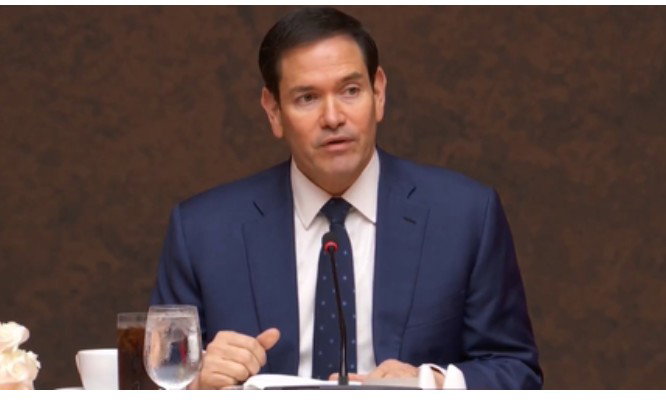
Washington, April 15
The United States convened a rare, high-level direct meeting between Israel and Lebanon. The first such engagement in over three decades set the stage for direct negotiations.
Secretary of State Marco Rubio, who hosted the talks at the State Department, called it “a historic opportunity” and said the effort aimed beyond an immediate ceasefire. “This is about bringing a permanent end to 20 or 30 years of Hizballah’s influence in this part of the world,” he said.
He added that “the Lebanese people are victims of Hizballah” and “victims of Iranian aggression,” and said the process would take time. “This is a process, not an event. This is more than just one day,” Rubio said.
According to a State Department statement, the meeting brought together senior US officials and the ambassadors of Israel and Lebanon. It “marked the first major high-level engagement between the governments of Israel and Lebanon since 1993,” with discussions described as “productive.”
All sides agreed to launch direct negotiations at a mutually agreed time and venue.
The United States expressed support for Lebanon’s plans “to restore the monopoly of force and to end Iran’s overbearing influence,” while reaffirming Israel’s “right to defend itself from Hizballah’s continued attacks.” It also said any agreement to cease hostilities must be reached between the two governments and “not through any separate track.”
Israel said it supports disarming “all non-state terror groups” and dismantling “all terror infrastructure in Lebanon.” It also committed to direct negotiations aimed at achieving “a durable peace.”
Lebanon stressed the need to fully implement the November 2024 cessation of hostilities. It underscored “territorial integrity and full state sovereignty” and called for a ceasefire and steps to address the country’s humanitarian crisis.
The Washington Post reported that Lebanese and Israeli diplomats met face-to-face in Washington in what was described as a working group aimed at reaching a ceasefire and addressing cross-border hostilities. The meeting lasted more than two hours .
The New York Times reported that the talks came as fighting continued in southern Lebanon, highlighting the fragility of the situation and the risk to a broader US-Iran ceasefire effort. It noted that Israel and Lebanon do not have formal diplomatic relations .
Rubio said the talks could help build “the framework upon which a permanent and lasting peace can be developed,” allowing Israelis to live “without fear” and Lebanese citizens to have “the kind of future they deserve.”
Israel and Lebanon have a long history of conflict, shaped by border disputes and the presence of Hizballah, an Iran-backed militant group. Efforts at direct engagement have been rare and often short-lived.
