








HEADLINES
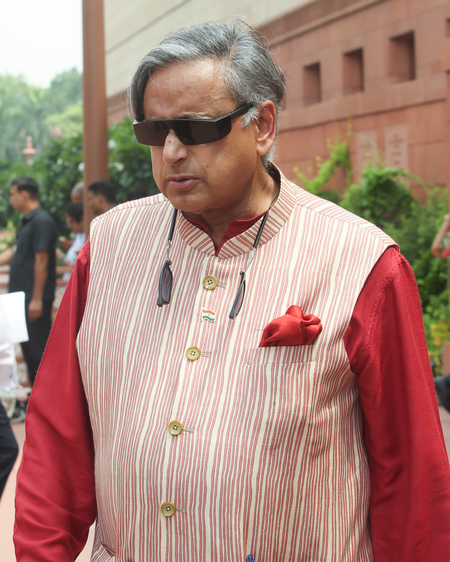
'Disturbing': Shashi Tharoor on reports flagging Saudi returnees’ gender bias

5 minutes ago
Kajol chooses peace over arguments, says, ‘I don’t argue with people who need attention’

5 minutes ago
Lisa Ray on marrying at 40 after menopause: ‘Those first few years were volatile’

6 minutes ago
Padmini Kolhapure reacts to Upasana Singh’s CINTAA ‘dictatorship’ jibe: Don’t senior actors have their own minds?

7 minutes ago
Poonam Dhillon expresses ‘extreme hurt’ over Upasana Singh’s allegations amid CINTAA row

8 minutes ago
Jackie Shroff remembers music maestro Kalyanji on his 26th death anniversary

9 minutes ago
Raj Kundra reveals why he feels Shilpa Shetty has ‘mastered the art of balancing everything’

10 minutes ago
Akshaye Khanna impresses as Shukracharya in 'Mahakali' glimpse video; Film to hit screens on January 8 next year

10 minutes ago
Amitabh Bachchan: I do all the household chores myself

11 minutes ago
Bharti Singh: A mother knows what she wants to do for her children

16 minutes ago
'Melcow Pondicherry' producer Arun Gopy tells Arjun Ashokan: You are one of the main reasons I became a producer!

17 minutes ago
Nia Sharma gets candid about ‘makeup-free life, dark circles and boredom’

28 minutes ago
Pamela Anderson’s mantra: Live romantically wherever you are

29 minutes ago
Ajay Devgn’s ‘Drishyam 3’ titled ‘Drishyam The Conclusion’