AMERICA
‘Affordability, Education and Public Safety Are My Priorities for Yonkers’: John Isaac
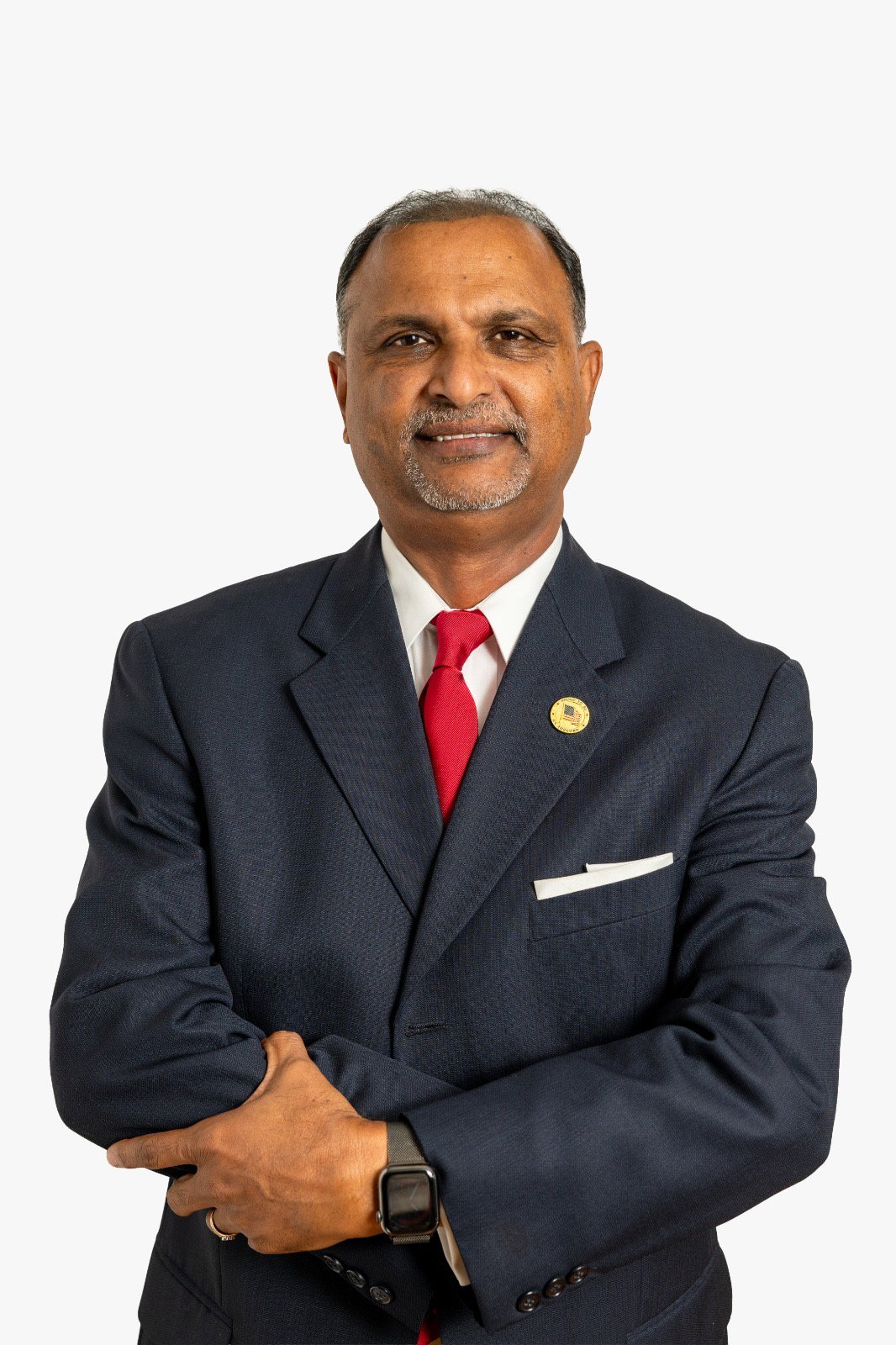
An Interview with John Isaac, Indian American Candidate for New York State Assembly District 90
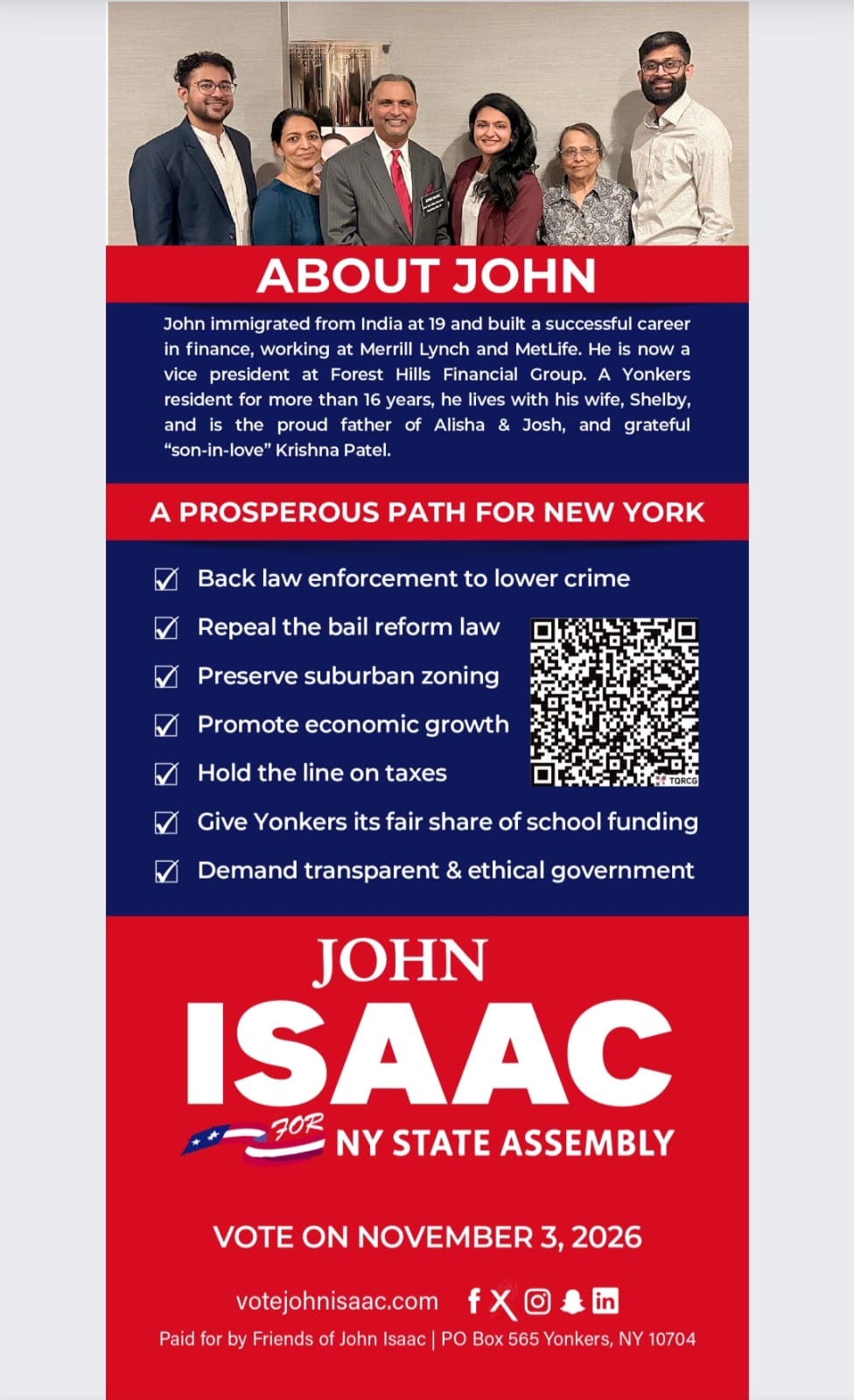
John Isaac, an Indian American who arrived in the United States from Kerala at the age of 19, has spent more than three decades working in the financial services industry. He has worked with institutions including Merrill Lynch and MetLife and currently serves as vice president of Forest Hills Financial Group.
A longtime Yonkers resident, Isaac is running again for the New York State Assembly from District 90. The general election is scheduled for November 3, 2026.
Affordability, education and employment opportunities, and public safety are among the central issues of his campaign. He is also calling for a fair share of state funding for Yonkers schools, responsible tax policies, stronger support for small businesses, adequate resources for law enforcement and public safety agencies, changes to bail reform laws, and development that reflects the needs and infrastructure capacity of local communities.
This is your second run for the Assembly. What are the most important lessons you took away from your 2024 campaign?
Running in 2024 gave me the opportunity to learn many of the fundamentals of American politics. I gained valuable experience in understanding how the electoral process works, how to reach voters, and how to understand the political interests and concerns of different communities.
This time, the circumstances are somewhat different. The incumbent is not seeking reelection, so I believe the current environment presents a different set of opportunities. Having run in 2024, I also have a certain level of name recognition.
But favorable circumstances alone are not enough. What matters most is how effectively you use the opportunities available to you.
What are the central issues of your campaign?
I am focusing on issues that directly affect the everyday lives of people in Yonkers.
The first is affordability. That means reducing the cost of living for families, addressing the burden of taxes, and making sure ordinary families can continue to live and work in Yonkers.
The second is education and employment opportunities. Our children need an education that prepares them for today’s workforce as well as the technology-driven economy of the future. Education needs to be connected to real employment opportunities.
The third is public safety. Families should be able to live peacefully and safely in their homes and neighborhoods. To achieve that, police, firefighters and other public safety agencies must have the resources and support they need.
At the same time, Yonkers deserves its fair share of state funding. That is particularly important when it comes to school funding.
‘Give Yonkers its fair share of school funding’ is one of your key campaign commitments. Why is this important?
Yonkers is one of the major cities in New York State. Although significant amounts of money are spent on education here, I believe there needs to be a fairer balance between the tax revenue generated for the state and the funding that comes back to the community.
When a child graduates from 12th grade, that student should have the skills necessary to enter college or the workforce.
Technology, including artificial intelligence, is transforming the workplace. Our education system has to evolve accordingly.
What practical steps do you believe can help reduce the cost of living?
New York State income taxes, property taxes and sales taxes all affect the cost of living for families.
I have worked in the financial services industry for more than three decades, so I understand firsthand how financial decisions affect a family’s income and expenses.
We need to control unnecessary spending and make sure taxpayer dollars are used more responsibly. The focus should be on measures that actually reduce the costs families face in their daily lives.
What is your plan for small businesses?
Rather than simply using the term ‘small business,’ I often use the phrase ‘closely held business.’ A company employing 10, 20 or 30 people can represent the livelihood of several families.
We need to reduce unnecessary taxes and fees. Electricity costs, transportation expenses and tolls all affect a business’s bottom line.
I am not saying that everything can be changed overnight. But even if we are able to make meaningful improvements in one, two or three areas, those changes can make a difference.
You have said you strongly support law enforcement when it comes to public safety. What would that support look like?
Ensuring public safety is one of government’s fundamental responsibilities. Police, fire departments and other public safety agencies need the resources necessary to do their jobs.
At the same time, we need to examine whether existing laws are adequately protecting public safety. I believe changes are needed to New York’s bail reform laws.
Protecting suburban zoning is also part of your campaign platform. How do you approach development?
Development is necessary, but it should take place with consideration for the needs of local communities and the capacity of existing infrastructure.
We need to preserve sustainable communities in Yonkers and Westchester where families can live and raise their children.
What is your broader approach to affordability?
‘Affordability’ is a term that everyone likes. But what matters is the practical meaning behind it.
When taxes become too high, higher-income residents may have the ability to move to other states. Middle-class families, however, may not have that same flexibility.
That is why, rather than simply talking about affordability, we need policies that actually reduce the real costs facing families.
How do you view the Trump administration’s tax policies?
Tax provisions providing relief to workers who earn income through tips, workers who work overtime, and seniors are measures that deserve recognition.
My position is straightforward: We should examine who actually benefits from tax relief. Policies that provide direct benefits to lower-income workers, middle-class families and seniors should receive priority.
How do you view the gains in the stock market, including the Dow Jones?
For many Americans, retirement savings and investment accounts are tied to the stock market. As a result, changes in the market can have a direct impact on ordinary American families.
The growth seen in the Dow Jones and other markets over the recent period has benefited many investors. I view those gains in the context of the policies of the current administration.
At the same time, regardless of political affiliation, millions of people with investment accounts such as 401(k)s benefit when the markets perform well.
You came to the United States from Kerala at the age of 19. What does running for the Assembly mean to you personally?
America gave me tremendous opportunities. I arrived here at 19 and was able to build my education, professional career and family life.
Now I feel a responsibility to give back to the community. Both of my children are adults, which gives me the ability to devote more time to public service.
For me, this is not simply a campaign for political office. It is an opportunity to give back to the community where I have lived and grown.
Tell us about your family.
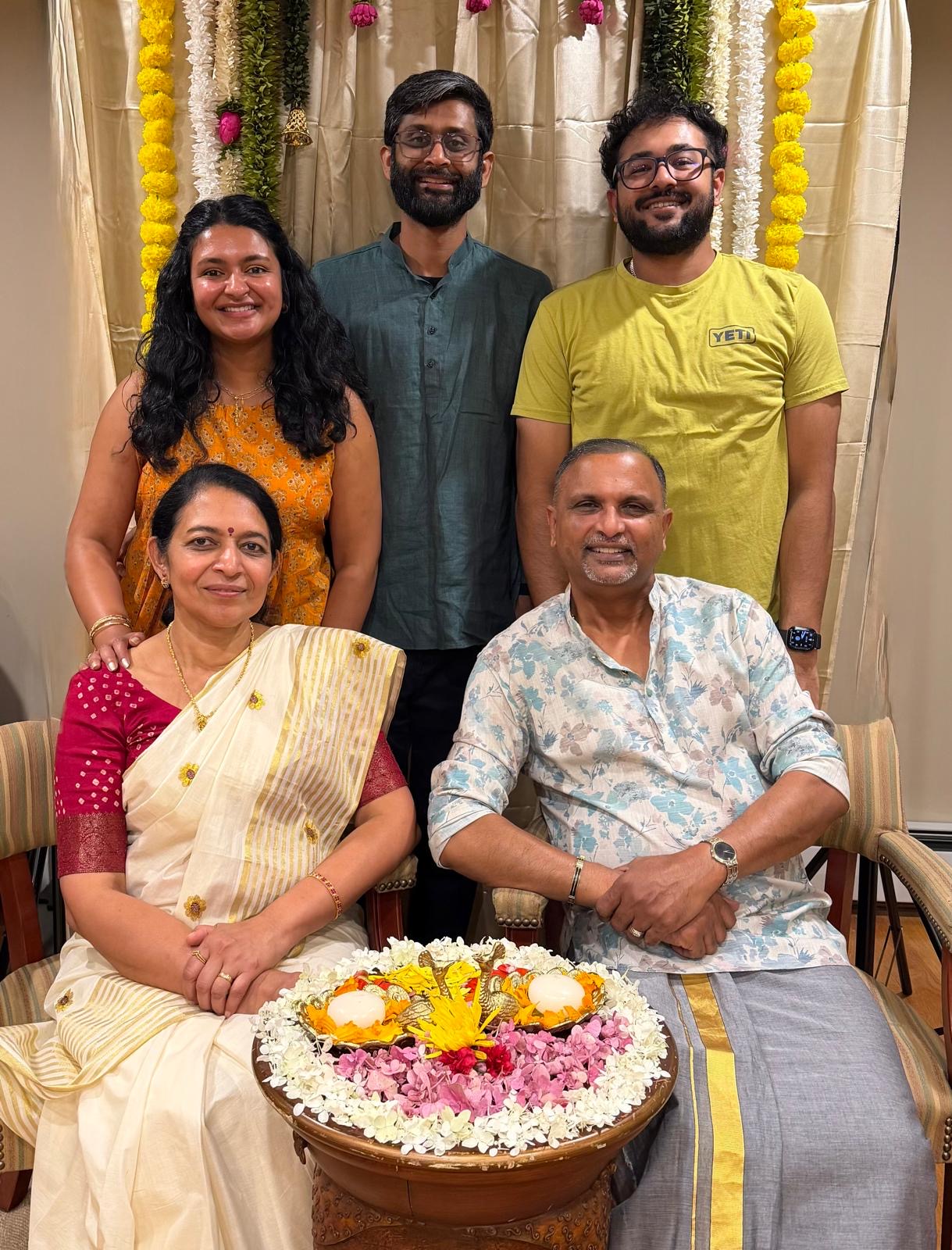
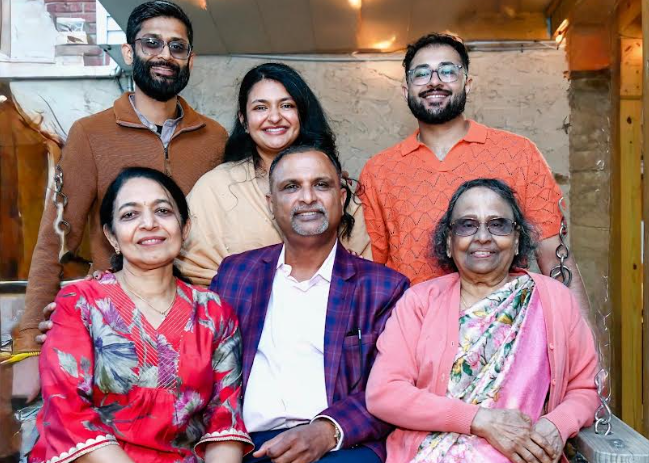
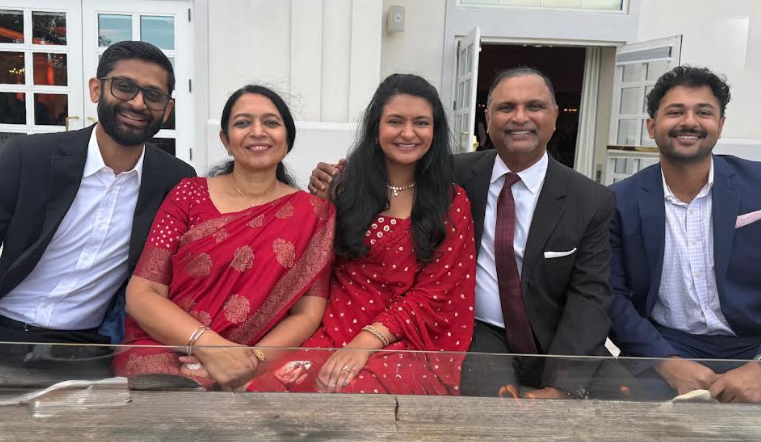
I live in Yonkers with my wife, Shelby. We have two children, Alisha and Josh. Our son-in-law is Krishna Patel.
My family’s support is one of the most important factors in my decision to enter public service.
How do you view the political participation of the Indian American community, particularly Indian Americans of Malayali heritage?
The Indian American community has achieved tremendous success in many fields. Our people are making significant contributions in medicine, information technology, education and business, as well as in a range of positions at the city, state and federal levels.
But we still have more work to do when it comes to political participation.
We should not vote only in presidential elections. We also need to participate in state and local elections. Issues such as property taxes, education, public safety, transportation and business regulations are heavily influenced by decisions made at the state and local levels.
District 90 is home to a diverse range of communities. How are you working to connect with them?
District 90 is an extremely diverse community. That means the campaign cannot focus on any one community alone.
Broadly speaking, the district includes the mainstream American community, including White/Caucasian residents, African Americans, Latinos and Hispanics, and Asian Americans. Yonkers also has a significant Hispanic population.
We need to understand the concerns and needs of each community. If I am going to represent the district, it is essential that I understand its diversity and the issues that matter to its residents.
How does your experience with organizations such as FOKANA help you in this campaign?
My experience in community organizations has been extremely valuable. I served as FOKANA’s general secretary from 2004 to 2006. Through that experience and through organizational activities, I learned a great deal about campaign strategy and political engagement.
I learned how to reach voters personally and how to communicate through families and community networks.
The environment has changed, however. Today, many Indian American voters are willing to look beyond party affiliation and consider a candidate’s positions and personal qualifications when deciding how to vote.
What is your principal strategy for reaching voters this time?
Rather than focusing only on Election Day voting, we are making an effort to educate voters about early voting and legally available mail-in and absentee voting options.
For the 2026 New York general election, early voting is scheduled for October 24 through November 1, with Election Day on November 3.
No one should be prevented from voting on Election Day because of weather or other circumstances. That is why voters should be informed in advance about the legally available ways to cast their ballots.
We also need to make a special effort to reach young people. They should complete their voter registration and participate in the democratic process. Anyone who is 18 and otherwise eligible to vote should not remain unregistered.
Our campaign volunteers are available to assist voters with voting-related questions and with early voting. They can be reached at (914) 350-0590.
What are you focusing on during the final phase of the campaign?
September and October are critical. We are reaching out to voters through religious institutions and community networks.
We need to reach beyond those who are members of Malayali organizations and engage with the broader community as well. We are connecting with houses of worship and communities representing Christians, Hindus, Muslims and Jews.
We are also making an effort to participate actively in community events and engage directly with residents from different backgrounds.
What is your message to voters as the election approaches?
I have two requests.
First, please remember me in your prayers. I hope to receive the strength, health and energy to complete this mission. I am someone who places great value on the prayers and support of others.
Second, talk to your friends and acquaintances in District 90 about John Isaac. If there are people who do not know me, help introduce them to my ideas and plans.
Understand my vision and platform and cast your ballot on November 3.
Every voter should make an independent decision about whom to support. But my request is simple: please do not sit out the election.
This election is not a mission that concerns me alone. It is also about decisions affecting the future of Yonkers. I believe it is time for me to give back to the community that has given me so many opportunities.
I respectfully ask all of you to stand with me as I undertake this effort.