








AMERICA
Indian-Americans Community at the Crossroads of Representation, Policy, and Identity
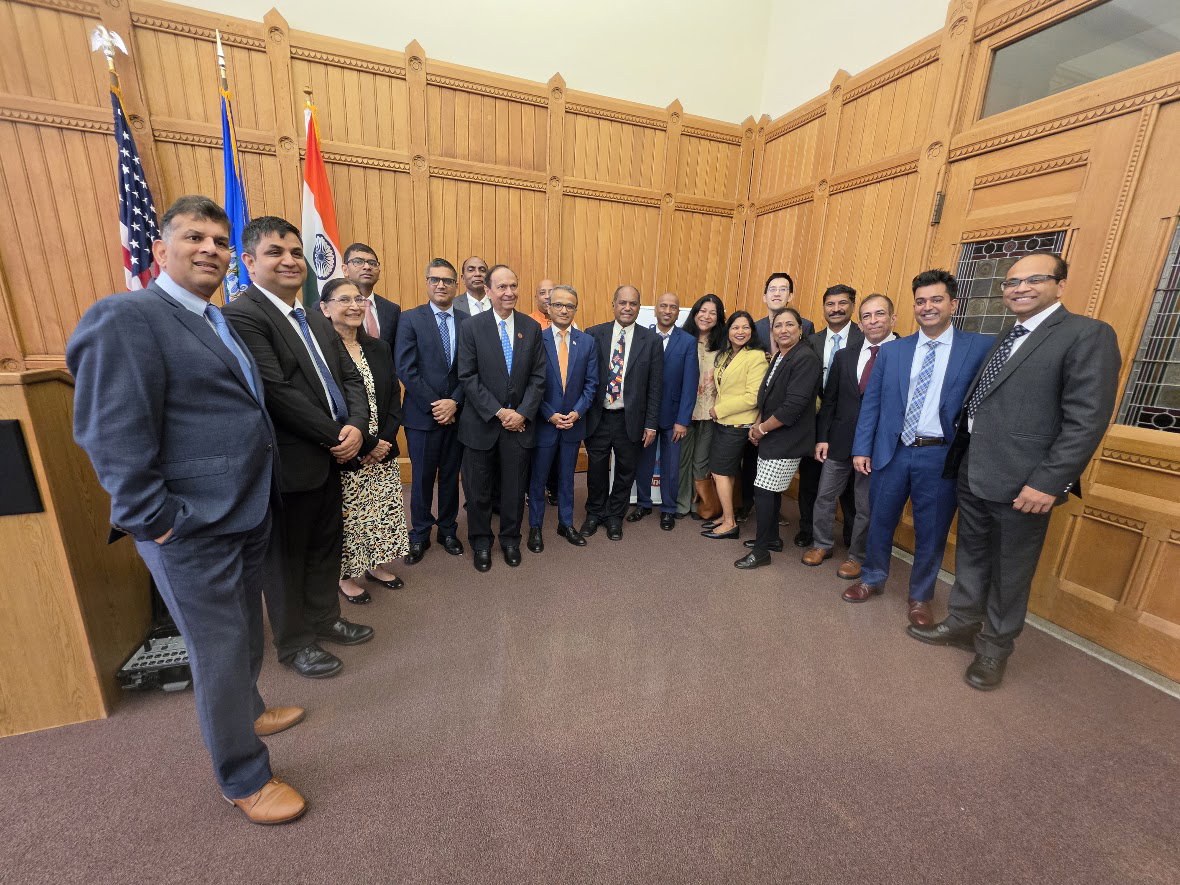
The 2026 U.S. midterm elections mark a historic moment for the Indian-American community. From gubernatorial and mayoral races to congressional contests and state legislatures, Indian-Americans are seeking public office in record numbers, reflecting the growing political influence of one of America's fastest-growing and most successful immigrant communities.
According to reports, there are at least 57 Indian-American candidates are on ballots across the United States this election cycle, contesting positions at federal, state, and local levels.
Their presence underscores a remarkable transformation from a community once primarily focused on economic mobility and professional success to one increasingly engaged in shaping public policy and political discourse.
Yet this rising visibility comes at a complex moment. Indian-Americans are navigating concerns over immigration, economic uncertainty, trade policy, U.S.-India relations, and an alarming increase in anti-South Asian rhetoric and discrimination. Together, these issues are shaping how the community votes and how it sees its future in America.
Record Representation Across the Ballot
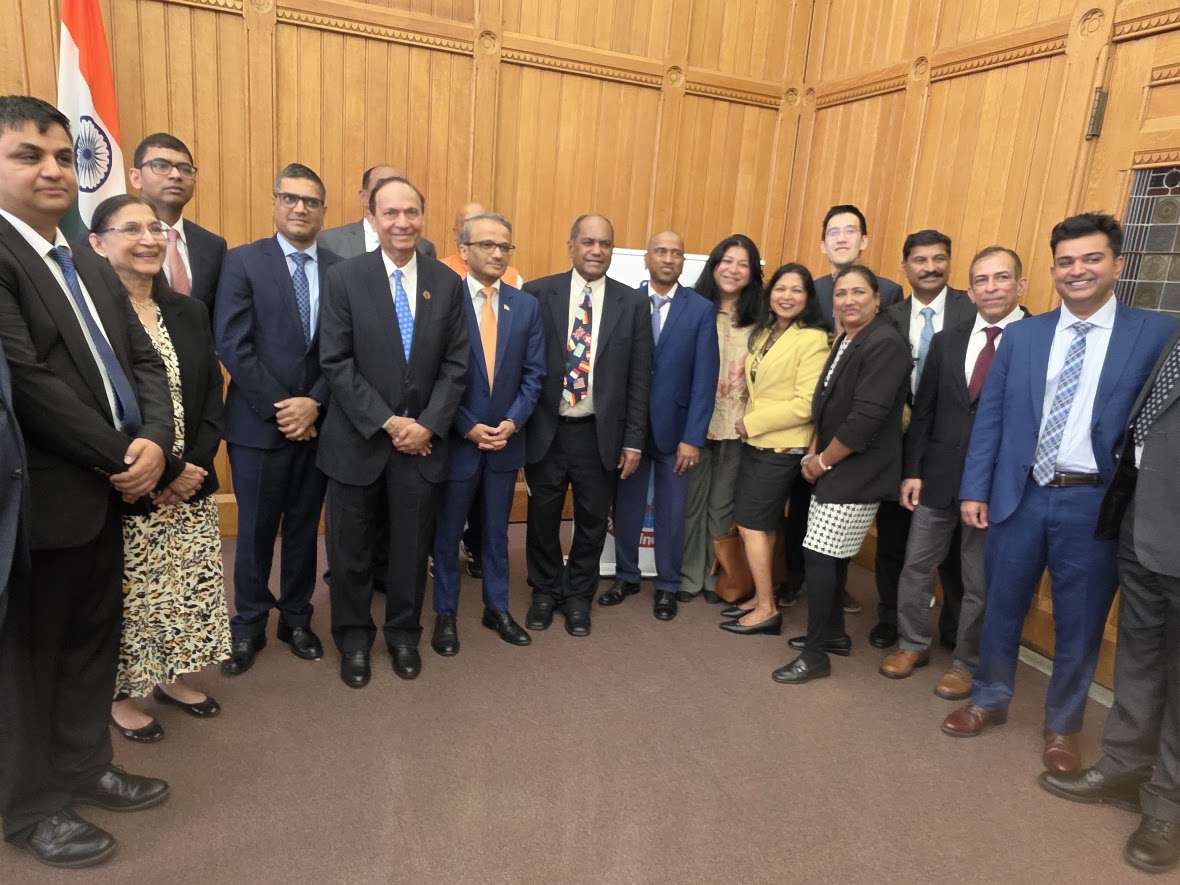
The sheer number of Indian-American candidates reflects the community's growing confidence in public leadership.
The 57 candidates include four incumbent members of Congress, dozens of state legislative candidates across more than twenty states, and contenders for executive offices ranging from governor to mayor.
From Vivek Ramaswamy’s bid for Ohio governor to Nithya Raman’s challenge to Los Angele’s incumbent Mayor, Indian Americans have come a long way since they began contesting for local and national offices.
Political observers see this trend as evidence that Indian-Americans have moved beyond traditional spheres such as medicine, engineering, technology, academia, and business to become influential participants in governance.
"This is not merely a story of demographic growth," noted analysts tracking immigrant political participation. "It is a story of civic confidence and increasing engagement in the democratic process."
The rise is especially notable considering that Indian-Americans constitute less than two percentage of the U.S. population. Yet the community has become increasingly visible in elected office, public administration, policy think tanks, and national political campaigns.
A Powerful and Prosperous Voting Bloc
Indian-Americans represent one of the most educated and economically successful ethnic groups in the United States. The community numbers more than five million people and has become increasingly influential because of its concentration in key metropolitan regions and battleground states.
High educational attainment, strong voter participation rates, and significant contributions to political fundraising have made Indian-Americans an attractive constituency for both Democrats and Republicans.
Indian-Americans remain one of the Democratic Party's most reliable voting blocs, but recent surveys indicate a gradual diversification of political preferences. According to the Carnegie Endowment's Indian American Attitudes Survey, Democratic support among Indian-American voters declined from 68% in 2020 to 60% in 2024, while Republican support increased from 22% to 31%.
The share of voters identifying as Democrats also fell from 56% to 47% during the same period. Despite this shift, Indian-Americans continue to favor Democrats in congressional races, with 62% supporting Democratic candidates compared with 19% for Republicans.
As Carnegie researcher Milan Vaishnav observed, "We are seeing signs of a greater shift or movement or acceptance of at least this Republican Party among Indian Americans." The findings suggest a politically evolving community that remains predominantly Democratic but increasingly open to candidates from both parties.
Despite ideological differences, surveys show that most Indian-American voters approach elections pragmatically, prioritizing issues affecting their families, professions, and long-term economic security.
Immigration Remains the Defining Issue
For many Indian-American voters, immigration policy continues to be the most important issue.
A significant portion of the community arrived through employment-based visa programs such as the H-1B system. Hundreds of thousands remain affected by lengthy green-card backlogs and complex immigration procedures that can separate families for years.
Concerns include:
- H-1B visa restrictions
- Employment authorization rules
- Green-card waiting periods
- Family reunification policies
- Visa renewals and processing delays
- OPT and Student Visa Restrictions
For physicians, engineers, researchers, and technology professionals, immigration policy is more than a political issue. It is a personal reality that directly affects career advancement, family planning, and long-term stability.
A 2026 Carnegie-Endowment/YouGov survey found that large majorities of Indian-Americans disapproved of the administration's handling of immigration, particularly policies affecting H-1B visa holders, skilled-worker programs, green-card backlogs, and family reunification. Researchers identified immigration as one of the community's top policy concerns, alongside the economy and U.S.-India relations. "One year into Trump's second term, large majorities of Indian Americans disapprove of his job performance, including his handling of ... immigration," stated Milan Vaishnav, Sumitra Badrinathan, Devesh Kapur, and Andy Robaina, Carnegie Endowment survey authors.
It is not an understatement to suggest that the United States risks losing global talent if immigration opportunities become increasingly restrictive.
Economic Concerns Shape Voting Decisions
Like all other sections of Americans, Indian-Americans are equally impacted by the current economic conditions.
Inflation, housing costs, healthcare expenses, taxation, and job creation rank among the top concerns influencing voter behavior. While Indian-Americans generally report higher household incomes than the national average, many remain concerned about economic uncertainty and market volatility.
Physicians worry about healthcare reimbursement and regulatory burdens. Small-business owners monitor tax policies and labor costs. Technology professionals are closely following trends affecting innovation, venture capital investment, and employment opportunities.
Economic performance often serves as the strongest predictor of electoral outcomes, and Indian-Americans are no exception. Many voters indicate they evaluate candidates based on their ability to maintain economic stability while promoting long-term growth.
Trade, Tariffs, and Global Business
International trade has emerged as another significant issue.
Indian-Americans are deeply connected to global business networks spanning technology, healthcare, pharmaceuticals, finance, education, and manufacturing. Consequently, trade policies affecting India and other international partners receive considerable attention.
Business leaders within the community have expressed concern about tariffs and protectionist measures that could disrupt supply chains, increase costs, and reduce economic competitiveness.
Given India's emergence as one of the world's largest economies, many Indian-American professionals view strong international trade relationships as essential for both countries.
U.S.-India Relations Matter More Than Ever
Unlike many immigrant communities, Indian-Americans maintain exceptionally strong ties to their country of origin.
Families, investments, educational partnerships, and business interests frequently span both nations. As a result, the direction of U.S.-India relations has become an increasingly important electoral issue.
Voters are closely monitoring developments involving:
- Strategic defense cooperation
- Technology partnerships
- Academic exchanges
- Healthcare collaboration
- Economic agreements
- Geopolitical cooperation in the Indo-Pacific region
Many Indian-Americans view a strong partnership between Washington and New Delhi as beneficial for global stability, economic growth, and scientific innovation.
Foreign policy toward India, once considered a niche issue, has now become a meaningful factor in voting decisions for many members of the diaspora.
Representation, Identity, and Belonging
Beyond policy matters, questions of representation and identity remain central to the community's political journey.
The success of Indian-American elected officials has provided many younger voters with visible examples of leadership and civic engagement. Seeing individuals of Indian origin serving in Congress, city halls, governors' offices, and federal agencies reinforces a sense of belonging within the American political system.
At the same time, increasing visibility has brought new challenges.
Many Indian-Americans report concerns about discrimination, stereotyping, and anti-immigrant rhetoric, particularly during highly polarized election cycles.

Rising Backlash Against Indian Americans
While Indian-Americans are reaching unprecedented levels of political influence, they are also confronting a resurgence of xenophobia and anti-Indian hostility.
Civil-rights organizations report a sharp increase in anti-South Asian rhetoric since 2024. According to data from advocacy groups monitoring online hate, South Asians became the most frequently targeted subgroup in anti-Asian extremist discourse during several periods of the election season.
Researchers documented tens of thousands of anti-South Asian slurs online and noted significant spikes following the national prominence of political figures such as Kamala Harris, Nikki Haley, Vivek Ramaswamy, and Usha Vance.
Surveys have found that substantial numbers of South Asian Americans report experiencing racial harassment, discrimination, or exclusionary behavior. Community leaders warn that rhetoric once confined largely to online platforms is increasingly appearing in schools, workplaces, and public discourse.
"The community is experiencing two realities simultaneously," noted one civil-rights advocate. "There is unprecedented visibility and success on one hand, and increasing scrutiny and hostility on the other."
Many analysts believe this dual experience is driving greater political participation, especially among younger voters who view civic engagement as a response to prejudice and exclusion.
A Turning Point for Indian-American Politics
The 2026 midterm elections may ultimately be remembered as a defining chapter in the evolution of Indian-American political influence.
The record number of candidates seeking office demonstrates that the community is no longer content merely to participate in American democracy. It increasingly seeks to lead it.
At the same time, challenges involving immigration reform, economic uncertainty, trade policy, racial discrimination, and U.S.-India relations continue to shape political priorities.
For Indian-Americans, the stakes extend beyond individual elections. They involve questions of representation, opportunity, identity, and belonging.
As both major parties compete for the support of this influential electorate, one fact is increasingly clear: Indian-Americans have become an indispensable part of the American political landscape. Their voices, votes, and leadership will help shape the direction of the nation for years to come.


