Articles features
Removing AFSPA's shield will blunt army's edge, say veterans
New Delhi, July 10
The Supreme Court verdict saying the army should not use excessive force in its counter insurgency operations has not gone down well with the army veterans who feel that it does not reflect their operational principles under which they use minimum of force in operations against insurgents.
The former veterans whom IANS spoke to were unanimous that any dilution of the Armed Forces (Special Powers) Act would affect their operations in dealing with insurgents and consequently the security of the country.
Hoping that the Centre would seek review of the judgement, Lieutenant General J.B.S. Yadav (retd) said that the army seeks to use minimum force in insurgency operations.
"In our training or as a matter of principle we always use minimum force and we scrupulously abide by the ten commandments of the army chief," Yadav told IANS.
The commandments include respecting human rights, no torture resulting in death and no act resulting in military disgrace.
Lt. General Yadav, who retired in the year 2006 and had participated in anti-insurgency operations in Northeast, Assam, Punjab and Jammu and Kashmir said: "The operations are done in good faith and not to kill anyone."
"To pass a general order that the army will not do this, army will do that, do's and dont's will give upper hand to terrorists. Supreme Court should not pass such judgement which are very difficult to maintain and implement," he said.
He pointed out that more than 10,000 officers and solders have laid down their lives in such operations which would be more than the fatalities suffered by the army during the wars.
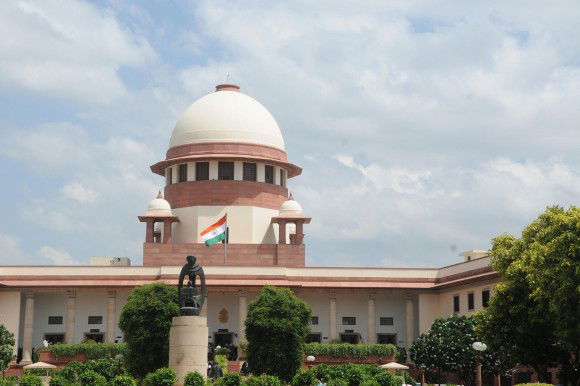
The Supreme Court on July 8 had ruled the army cannot use excessive force during counter-insurgency operations in areas declared disturbed under the AFSPA and criminal courts do have the jurisdiction over cases of alleged excesses by security forces.
The judgement came on a petition by Extra Judicial Execution Victims Families Association (EEVFAM) seeking investigation into 1,528 cases of alleged killing since 1978 by the army, Assam Rifles and Manipur police in their anti-insurgency operations in Manipur.
On the court's decision that it will decide in the next hearing on the investigation of 1,528 cases (of alleged killings since 1978), Lt. Gen Yadav wondered if anything tangible would come out from such an exercise, noting that an officer who was just a Lieutenant in 1978 has already retired and many of the army officers may not be there.
"Investigation on part of the army has already taken place. It's so difficult to open these cases. How will they collect witnesses," he further said.
Venting his wrath on "NGOs targeting armed forces" under the cover of human rights, Lt. Gen Yadav said these cases were "motivated cases done by NGOs who are having their own agenda to demoralise the army".
Major General Ravi Arora (retd) said that army does not act impulsively and its operations were based on intelligence inputs.
He said it should be left to the discretion of the military commander how to deal with armed militants acting against forces.
He said all precautions were taken and every effort made to secure the presence of police personnel while also taking village representatives on board during anti-insurgency operations.
"If every operation will be examined and they start taking action then army people will play safe and not carry out their job properly for fear of prosecution. If AFSPA is not there, nobody will carry out the operation because tomorrow they have to answer everything in court. If AFSPA goes, it will have demoralising effect," he said.
Referring to the part of the judgement that armed forces have failed to curb insurgency in turbulent parts of the country in the last six decades, Maj Gen Arora told IANS: "I would like to say that many a times the army has controlled the situations, the insurgency has gone down, but because of no meaningful political followup to come to a political solution, the insurgency then erupts again..."
Major Genral Anil Verma, who is now associated with the Association of Democratic Rights, said the army gets involved only when the situation so demands, and taking away the shield provided by AFSPA would have an adverse impact on the operations.
"If it is (only) a law and order situation let the police do the job. Army is called when it cannot be tackled by the police. We are very careful about human rights," he said.
(Parmod Kumar can be contacted at saneel2010@gmail.com and Garima Tyagi can be contacted at garima.t@ians.in)

The former veterans whom IANS spoke to were unanimous that any dilution of the Armed Forces (Special Powers) Act would affect their operations in dealing with insurgents and consequently the security of the country.
Hoping that the Centre would seek review of the judgement, Lieutenant General J.B.S. Yadav (retd) said that the army seeks to use minimum force in insurgency operations.
"In our training or as a matter of principle we always use minimum force and we scrupulously abide by the ten commandments of the army chief," Yadav told IANS.
The commandments include respecting human rights, no torture resulting in death and no act resulting in military disgrace.
Lt. General Yadav, who retired in the year 2006 and had participated in anti-insurgency operations in Northeast, Assam, Punjab and Jammu and Kashmir said: "The operations are done in good faith and not to kill anyone."
"To pass a general order that the army will not do this, army will do that, do's and dont's will give upper hand to terrorists. Supreme Court should not pass such judgement which are very difficult to maintain and implement," he said.
He pointed out that more than 10,000 officers and solders have laid down their lives in such operations which would be more than the fatalities suffered by the army during the wars.
The Supreme Court on July 8 had ruled the army cannot use excessive force during counter-insurgency operations in areas declared disturbed under the AFSPA and criminal courts do have the jurisdiction over cases of alleged excesses by security forces.
The judgement came on a petition by Extra Judicial Execution Victims Families Association (EEVFAM) seeking investigation into 1,528 cases of alleged killing since 1978 by the army, Assam Rifles and Manipur police in their anti-insurgency operations in Manipur.
On the court's decision that it will decide in the next hearing on the investigation of 1,528 cases (of alleged killings since 1978), Lt. Gen Yadav wondered if anything tangible would come out from such an exercise, noting that an officer who was just a Lieutenant in 1978 has already retired and many of the army officers may not be there.
"Investigation on part of the army has already taken place. It's so difficult to open these cases. How will they collect witnesses," he further said.
Venting his wrath on "NGOs targeting armed forces" under the cover of human rights, Lt. Gen Yadav said these cases were "motivated cases done by NGOs who are having their own agenda to demoralise the army".
Major General Ravi Arora (retd) said that army does not act impulsively and its operations were based on intelligence inputs.
He said it should be left to the discretion of the military commander how to deal with armed militants acting against forces.
He said all precautions were taken and every effort made to secure the presence of police personnel while also taking village representatives on board during anti-insurgency operations.
"If every operation will be examined and they start taking action then army people will play safe and not carry out their job properly for fear of prosecution. If AFSPA is not there, nobody will carry out the operation because tomorrow they have to answer everything in court. If AFSPA goes, it will have demoralising effect," he said.
Referring to the part of the judgement that armed forces have failed to curb insurgency in turbulent parts of the country in the last six decades, Maj Gen Arora told IANS: "I would like to say that many a times the army has controlled the situations, the insurgency has gone down, but because of no meaningful political followup to come to a political solution, the insurgency then erupts again..."
Major Genral Anil Verma, who is now associated with the Association of Democratic Rights, said the army gets involved only when the situation so demands, and taking away the shield provided by AFSPA would have an adverse impact on the operations.
"If it is (only) a law and order situation let the police do the job. Army is called when it cannot be tackled by the police. We are very careful about human rights," he said.
(Parmod Kumar can be contacted at saneel2010@gmail.com and Garima Tyagi can be contacted at garima.t@ians.in)
1 hour ago
Spirit Airlines 'winds down' its operations due to financial troubles; cancels all flights
4 hours ago
Final Cabinet meet of Pinarayi Vijayan clears relief for Valparai victims ahead of Kerala verdict day
5 hours ago
Lokesh Kanagaraj launches title of Rishikanth, Anishma Anilkumar's film
5 hours ago
Road rage incident: West Bengal couple attacked near Electronics City in Bengaluru
5 hours ago
Loan fraud case: Delhi court extends Anil Ambani’s former aides ED custody till May 15
5 hours ago
Hearts beating faster for many in Kerala, with D–Day just 48 hours away
5 hours ago
CBI secures extradition of fugitive Kamlesh Parekh from UAE in major bank fraud case
5 hours ago
Pune minor rape-murder: Supriya Sule says strictest action will be taken against accused
5 hours ago
Commercial LPG price hike set to push up food prices across Chennai
5 hours ago
UP: Schoolchildren allegedly forced into manual labour in Banda; viral video sparks outrage
5 hours ago
Pune: 65-year-old man sexually assaults, kills four-year-old girl with stone
5 hours ago
Peaceful re-polling at 15 booths in Bengal so far, 16.23 pc polling in 1st two hours
5 hours ago
‘International problem, 50 pc LPG dependency on import,’ says Pralhad Joshi as commercial LPG price hiked